Storm season in Houston can bring heavy rain, strong winds, flooding, and power outages that put your HVAC system under stress. A little preparation before the next major storm can help protect your equipment, reduce the risk of damage, and make it easier to restore comfort afterward.
Use this HVAC storm season checklist to make sure your system is ready before severe weather arrives.
1. Check Your Outdoor HVAC Unit
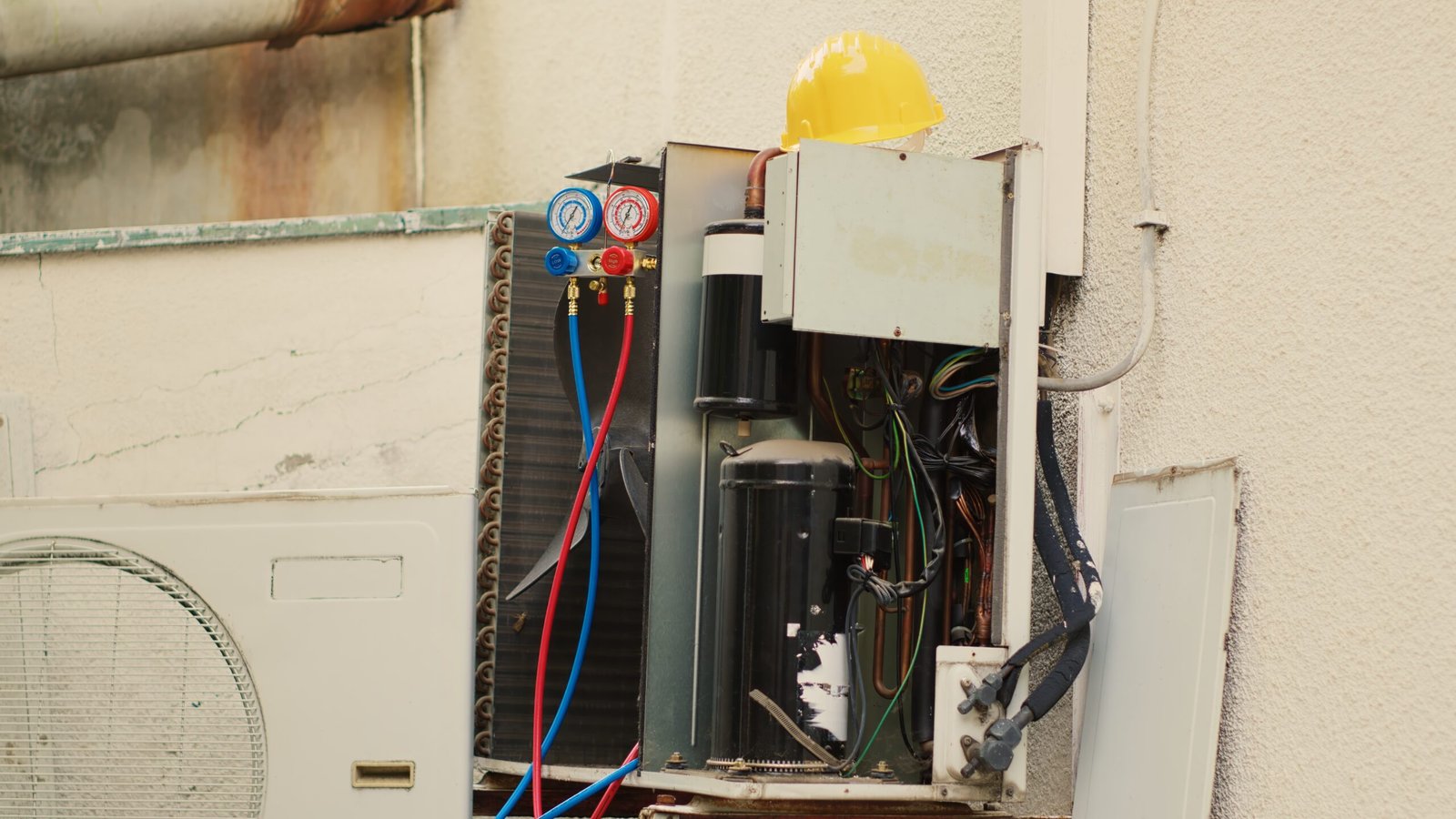
Before storm season, inspect the area around your outdoor condenser.
Remove:
- Leaves and branches
- Loose debris
- Grass and weeds
- Items that could become airborne during strong winds
Keep the area around the unit clear so air can circulate properly and reduce the chance of debris entering or damaging the equipment.
If a storm is approaching, don’t wait until the last minute to inspect the area.
2. Secure Loose Items Around Your Home
Patio furniture, decorations, planters, trash cans, and other outdoor objects can become dangerous during high winds.
They can also damage your HVAC condenser if they are blown into it.
Before severe weather:
✓ Secure or bring inside loose outdoor items
✓ Check that the HVAC unit is stable
✓ Look for branches that could fall near the condenser
✓ Make sure nothing is leaning against the equipment
This simple step can help prevent avoidable damage.
3. Know Where Your HVAC Electrical Disconnect Is
Every Houston homeowner should know where the electrical disconnect for their HVAC system is located.
If severe weather causes flooding or electrical problems, knowing how to safely shut down equipment can be important.
However, never handle electrical equipment if the area is wet or unsafe. When in doubt, contact a qualified professional.
4. Prepare for Power Outages
Storms don’t just threaten your HVAC equipment—they can leave your home without power.
Houston homeowners should know what happens to their HVAC system when the power goes out and what equipment is available to provide backup power.
If your home has a standby generator, make sure it is properly maintained and ready before storm season.
If you are considering a generator, professional sizing is important. A generator needs to be capable of supporting the electrical loads you actually need during an outage.
5. Check Your Air Filter
A dirty filter can restrict airflow and make your HVAC system work harder.
Before storm season, check your filter and replace it if necessary.
This is a simple maintenance task, but it can have an impact on system performance and indoor comfort—particularly when Houston temperatures remain high after a storm passes.
6. Inspect Your Drainage and Condensate System
Your HVAC system produces condensation while it operates.
If the condensate drain becomes clogged, water can back up and potentially cause damage.
Before storm season, have your HVAC professional check the condensate drain and drainage system as part of routine maintenance.
This is especially important if you’ve noticed:
- Water around the indoor unit
- A musty smell
- Unexpected humidity
- Frequent drain-related shutdowns
7. Check Your Ductwork and Airflow
Storm preparation isn’t only about protecting the outdoor unit.
Your HVAC system still needs to distribute conditioned air efficiently throughout your home.
Poor ductwork, leaks, restrictions, or airflow problems can create uneven temperatures and make your system work harder.
If some rooms are consistently hotter than others, consider having your airflow tested before storm season.
A storm doesn’t cause every HVAC problem—but it can expose weaknesses in a system that was already struggling.
8. Schedule Preventive HVAC Maintenance
If you haven’t had your HVAC system professionally inspected recently, storm season is a good reason to schedule maintenance.
A professional inspection can identify potential problems before you need your system most.
Ask your HVAC professional to check:
✓ Electrical components
✓ Refrigerant levels
✓ Airflow
✓ Filters
✓ Condensate drainage
✓ Ductwork
✓ Outdoor unit condition
✓ System performance
The objective isn’t simply to make sure the AC turns on. It’s to determine whether the system is actually performing properly.
9. Know What to Do After a Storm
This may be the most important item on the checklist.
If your HVAC equipment has been exposed to flooding or standing water, do not turn it on just to see if it works.
Water can damage electrical components and create serious safety risks.
Instead:
- Stay away from flooded electrical equipment.
- Turn off power only if it is safe to do so.
- Contact a qualified HVAC professional.
- Have the system inspected before restarting it.
If the outdoor condenser has been damaged by debris, don’t attempt to straighten components or repair electrical parts yourself.
Houston Storm Season HVAC Checklist
Save this checklist for your next pre-storm preparation:
☐ Clear debris around the outdoor unit
☐ Secure loose outdoor objects
☐ Check for nearby branches
☐ Know the HVAC electrical disconnect location
☐ Check and replace the air filter
☐ Inspect condensate drainage
☐ Check airflow and ductwork
☐ Schedule preventive HVAC maintenance
☐ Know how your home will handle a power outage
☐ Make sure your generator is maintained, if applicable
☐ Never restart flood-damaged HVAC equipment without an inspection
Don’t Wait Until the Storm Is Coming
Houston weather can change quickly. Preparing your HVAC system before severe weather arrives is much easier than trying to solve an equipment problem during a storm—or waiting days for service afterward.
A professional HVAC inspection can help identify airflow, electrical, drainage, and performance issues before they become bigger problems.
Is your HVAC system ready for storm season? CoolTechies can help you find out before the next storm hits.
FAQs
Should I turn off my HVAC during a hurricane or major storm?
If severe weather, flooding, or electrical problems are expected, follow manufacturer and local safety guidance. If the equipment or electrical components are exposed to water, do not operate the system until it has been professionally inspected.
Can a storm damage my outdoor AC unit?
Yes. Strong winds, flying debris, flooding, and electrical events can damage outdoor HVAC equipment. Clearing nearby debris and securing loose objects can reduce some risks.
What should I do if my HVAC system was flooded?
Do not turn it on to test it. Stay away from potentially energized equipment and have the system professionally inspected before operation.
By Calixto Armas