In Houston, keeping your home comfortable means dealing with hot, humid summers and occasional winter cold fronts. But what if your current HVAC system struggles to cool certain rooms, your home doesn’t have ductwork, or extending your existing system would be complicated? A ductless heat pump Houston could be worth considering.
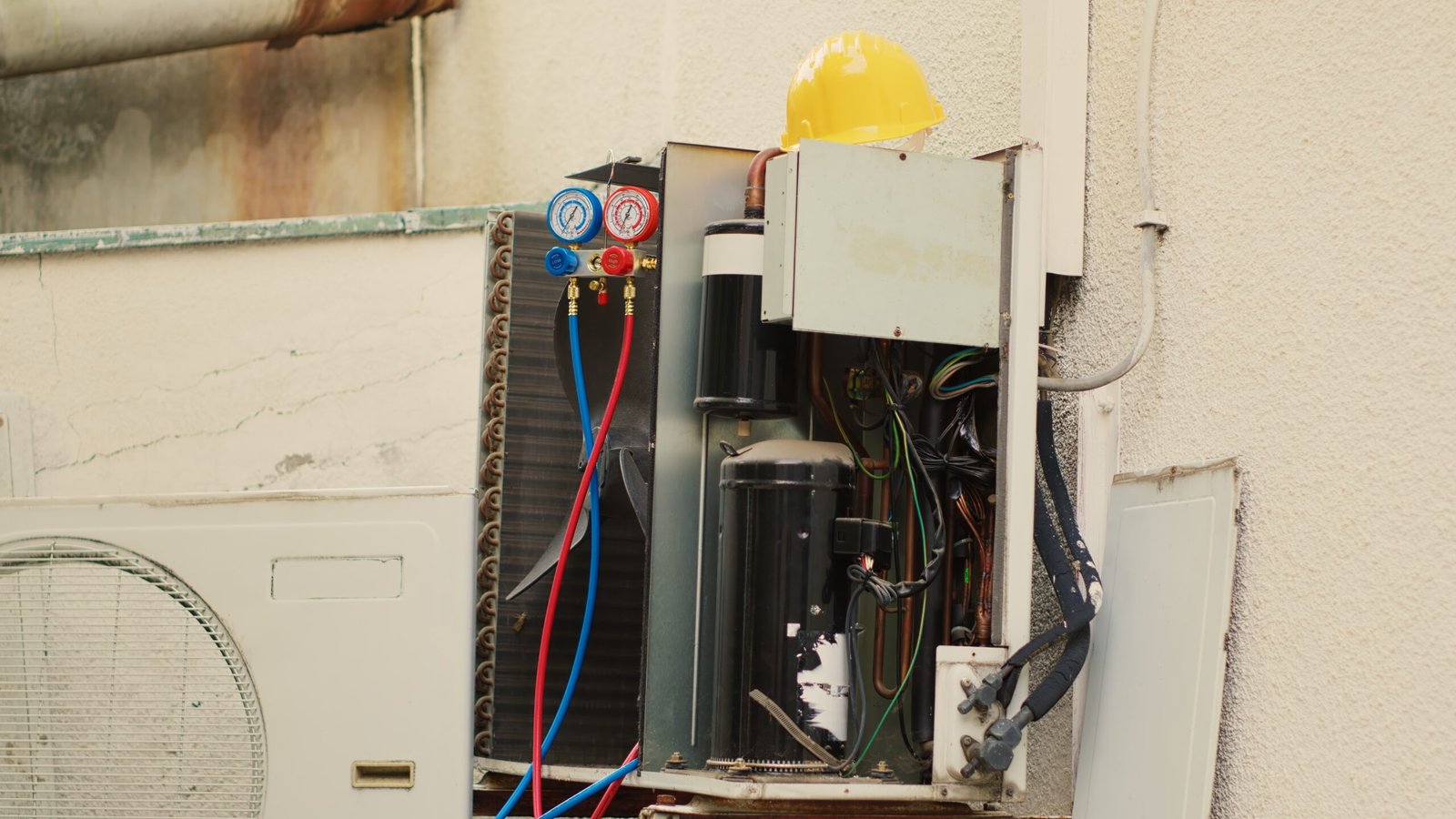
Also known as a mini-split heat pump, this system provides both heating and cooling without requiring a traditional network of air ducts. Instead, indoor units deliver conditioned air directly into designated spaces, while an outdoor unit transfers heat to or from the air outside.
But is a ductless system the right choice for every home? Not necessarily. Let’s explore which properties benefit most, what homeowners should consider, and when another HVAC solution might make more sense.
How Does a Ductless Heat Pump Houston Work?
A ductless heat pump moves heat instead of generating it through conventional combustion heating. During summer, it removes heat from indoor air and releases it outdoors. During winter, it reverses the process to bring heat inside.
Because it doesn’t rely on ductwork to distribute conditioned air, a ductless system can be particularly useful in homes where installing or extending ducts would be difficult. Many systems also allow different indoor units to operate in separate zones, giving homeowners greater control over temperatures in individual spaces.
According to ENERGY STAR, ductless mini-split heat pumps can provide both heating and cooling and are suitable for homes without ductwork, additions, and areas with persistent hot or cold spots. Source: ENERGY STAR
5 Types of Homes That Benefit Most From a Ductless Heat Pump in Houston
1. Older Homes Without Existing Ductwork
Some older properties rely on window air conditioners, wall heaters, or other systems that don’t provide whole-home heating and cooling through ducts.
Installing a traditional central HVAC system may require substantial modifications to the property. A ductless heat pump offers another option because it doesn’t need conventional ductwork to deliver conditioned air.
For homeowners renovating an older house, this can make it easier to introduce modern heating and cooling without undertaking extensive duct installation.
Best fit: Older homes where adding ductwork would be difficult, disruptive, or impractical.
2. Homes With Room Additions or Converted Garages
Have you added a home office, finished a garage, or converted an unused space into a guest room?
These changes can create new comfort challenges. Your existing HVAC system may not have enough capacity to condition the additional space effectively, and extending the ductwork may not be straightforward.
A ductless heat pump can provide dedicated heating and cooling to the new area without requiring the entire central system to be redesigned.
This can be especially useful in Houston, where a converted garage or room exposed to outdoor heat may need additional cooling during summer.
Best fit: Home additions, finished garages, workshops, guest suites, and rooms above garages.
3. Homes With Persistent Hot and Cold Spots
Does your upstairs bedroom feel warmer than the rest of the house? Does your home office become uncomfortable while other rooms stay cool?
Uneven temperatures can result from several factors, including duct leaks, inadequate insulation, poor air sealing, airflow restrictions, or HVAC equipment that isn’t properly sized.
A ductless heat pump may help when a particular room needs independent temperature control. Multi-zone configurations can also allow different areas to have their own settings.
However, a mini-split shouldn’t automatically be considered the solution to every uneven-temperature problem. If the cause is a damaged duct system or inadequate insulation, addressing that issue may be the better first step.
Best fit: Homes with rooms that remain uncomfortable despite normal operation of the central HVAC system.
4. Homes Where Independent Temperature Control Matters
Household members don’t always agree on the ideal temperature. One person may prefer a cooler bedroom, while another wants a warmer home office.
Ductless systems can provide zone-based comfort, allowing temperatures to be adjusted in designated areas rather than relying entirely on one thermostat for the whole house.
This can also be useful for rooms that are occupied at different times of the day. Instead of conditioning every space to the same setting, homeowners may be able to manage comfort according to how each area is used.
Actual energy savings depend on the equipment, installation, settings, and household habits, so zone control alone doesn’t guarantee lower utility bills.
Best fit: Homes with different comfort preferences, frequently used home offices, or spaces with distinct heating and cooling needs.
5. Homes Looking for an Alternative to Electric Resistance Heating
Some homes use electric baseboard heaters or other electric resistance heating systems. A properly selected heat pump may offer a more energy-efficient way to provide warmth while adding air conditioning capabilities.
Heat pumps transfer heat rather than converting electricity directly into heat, which can make them more efficient than conventional electric resistance heaters. ENERGY STAR-certified mini-split models can be particularly beneficial in suitable applications.
For Houston homeowners, the added cooling function is important because the system can serve the home during both summer heat and winter cold spells.
Best fit: Properties with electric resistance heating that also need an efficient cooling solution.
Ductless Heat Pump vs. Central HVAC: Which Is Better for Your Home?
Both systems can provide year-round comfort, but they serve different needs.
| Feature | Ductless heat pump | Central HVAC system |
| Ductwork | Not required | Typically uses ducts |
| Temperature control | Can provide room-by-room zoning | Often controlled by a central thermostat, with zoning possible |
| Installation | Useful where adding ducts is difficult | May be practical when suitable ductwork already exists |
| Best applications | Additions, individual rooms, homes without ducts | Whole-home conditioning with an appropriate duct system |
| Energy performance | Depends on equipment, sizing, and installation | Depends on equipment, duct condition, sizing, and installation |
If your home already has well-designed ductwork in good condition, replacing your existing central HVAC equipment may be the more straightforward option. If you’re trying to condition a new addition or solve a problem in one specific room, a ductless system may deserve closer consideration.
The best choice depends on the home’s layout, insulation, existing equipment, comfort requirements, and budget.
What Should Houston Homeowners Consider Before Installing a Ductless Heat Pump?
Before choosing a system, consider these four factors:
- Cooling capacity: Houston’s summer temperatures and humidity make proper sizing essential. Equipment that’s too small may struggle to maintain comfort, while an oversized system may cycle inefficiently.
- Humidity management: Ask your HVAC contractor how the proposed system will handle the cooling and moisture-removal needs of the space.
- Indoor unit placement: Wall-mounted or other indoor units need suitable locations for effective air distribution and convenient maintenance.
- Installation and operating costs: Compare the initial investment, expected energy use, maintenance requirements, and the cost of alternatives.
A professional load calculation, such as the Manual J method, can help determine the heating and cooling capacity required for your home or the specific area being conditioned. Choosing equipment based on square footage alone can lead to poor performance.
Find the Right HVAC Solution With Cool Techies
A ductless heat pump can be an excellent option for certain Houston homes, particularly older properties without ductwork, room additions, converted garages, and spaces that never seem to reach a comfortable temperature.
However, the right solution starts with understanding why your home needs a different approach to heating and cooling.
Cool Techies helps homeowners in Houston and Katy evaluate their HVAC needs and explore solutions suited to their properties. Whether you’re considering a ductless system or need to improve the performance of your existing equipment, a professional assessment can help you make an informed decision.
Call 832-400-5730 to discuss your home’s heating and cooling needs and explore your options.
Frequently Asked Questions
1. Which homes are best suited for ductless heat pumps?
Ductless heat pumps are particularly suitable for older homes without ductwork, room additions, converted garages, and properties with rooms that need independent temperature control. They can also be a good option when replacing electric resistance heating.
2. Can a ductless heat pump cool a Houston home during summer?
Yes. Ductless heat pumps provide air conditioning by transferring heat from indoors to outdoors. Correct sizing and installation are important to help the system manage Houston’s heat and indoor humidity effectively.
3. Is a ductless heat pump better than central air conditioning?
Not in every situation. Ductless systems are useful when ductwork is unavailable or individual rooms need dedicated temperature control. Central HVAC may be more practical when a home already has suitable ductwork. An HVAC professional can evaluate which option best fits your property.
By Marielys Ceballos