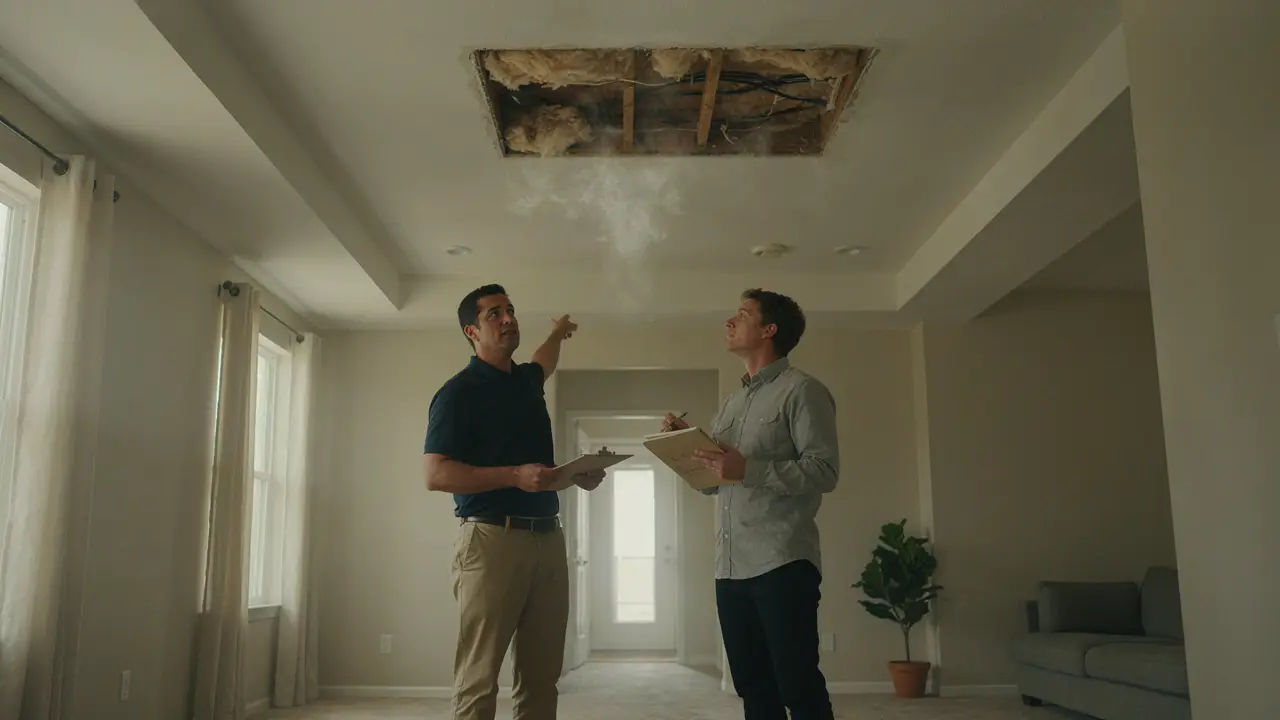
If some rooms in your Houston home feel warmer than others, your AC runs constantly, or your energy bills keep climbing, the problem may not be your air conditioner itself. Airflow problems can prevent an HVAC system from delivering the comfort and efficiency it was designed to provide.
For homeowners, airflow is easy to overlook. The thermostat says 72°F, the outdoor unit is running, and cool air is coming from the vents—so everything must be working, right? Not necessarily.
Your HVAC system is a complete network of equipment, ductwork, filters, vents, and controls. If air isn’t moving through that system properly, the equipment may have to work harder and longer to maintain the desired temperature.
That’s where professional airflow evaluation becomes valuable. At Cool Techies, we focus on HVAC performance rather than simply replacing equipment. By measuring and analyzing airflow, our team can identify potential problems and determine what needs to be corrected to improve comfort and efficiency.
Airflow Problems Can Reduce HVAC Efficiency
An efficient HVAC system needs more than a high-efficiency rating.
It also needs proper airflow.
When airflow is restricted, unbalanced, or leaking through the ductwork, your system may struggle to transfer conditioned air throughout your home.
This can result in:
- Longer cooling cycles.
- Higher energy consumption.
- Uneven temperatures.
- Weak airflow from vents.
- Increased equipment wear.
- Reduced comfort.
- Potentially more frequent repairs.
In Houston, where air conditioners may run for long periods during summer, these inefficiencies can become especially expensive.
A system that isn’t moving air correctly can essentially be working harder to accomplish less.
What Causes Airflow Problems in HVAC Systems?
Airflow issues can have several different causes. Some are relatively simple, while others require a professional diagnosis.
Dirty or Clogged Air Filters
One of the most common causes of restricted airflow is a dirty filter.
When dust and debris accumulate on the filter, less air can pass through the system. The blower may have to work harder, while the HVAC system operates less efficiently.
Checking your filter regularly is one of the easiest maintenance steps homeowners can take.
However, if replacing the filter doesn’t resolve the problem, there may be a deeper issue.
Blocked or Closed Vents
Furniture, curtains, rugs, or other objects can accidentally block supply vents.
Some homeowners also close vents in rooms they don’t use in an attempt to redirect cooling elsewhere.
This can actually interfere with the system’s intended airflow balance.
If certain rooms consistently feel warmer, check that supply and return vents are open and unobstructed.
Leaking Ductwork
Your HVAC system can produce plenty of conditioned air—but if that air escapes through leaks in the ducts, it may never reach the rooms that need it.
Duct leaks can be particularly problematic in areas such as attics, crawl spaces, and other locations exposed to extreme temperatures.
Instead of cooling your home, some of the conditioned air may be lost before it reaches the living space.
Poorly Sized Ducts
Ductwork needs to be appropriately designed for the HVAC system and the home.
If ducts are too small, airflow may be restricted.
If the system’s airflow isn’t properly balanced, some areas of the home may receive too much conditioned air while others receive too little.
This can create the classic Houston homeowner complaint:
“The thermostat says it’s cool, but my bedroom is still hot.”
Blower Problems
The blower is responsible for moving conditioned air through the ductwork.
If the blower isn’t operating correctly, airflow can be reduced throughout the home.
A weak blower, incorrect settings, or mechanical problems can all affect system performance.
Because diagnosing blower issues may involve electrical and mechanical components, these problems should be evaluated by a qualified HVAC professional.
How Do You Know If Your Home Has Airflow Problems?
Airflow issues don’t always announce themselves with a dramatic warning.
Sometimes, the signs are subtle.
Look for these symptoms:
- One room is consistently hotter than another.
- Airflow from certain vents feels weak.
- Your AC runs almost continuously.
- The system takes a long time to reach the thermostat setting.
- Energy bills are higher than expected.
- Some rooms feel humid.
- You hear unusual noises from the ductwork.
- The system frequently freezes or requires repairs.
One symptom doesn’t necessarily prove that airflow is the problem. But several occurring together are a good reason to have the system evaluated.
Why Airflow Matters More in Houston
Houston’s climate puts HVAC systems under considerable pressure.
During the summer, your air conditioner may operate for extended periods to overcome high outdoor temperatures and humidity.
That means even a relatively small airflow problem can affect performance over time.
Consider two identical HVAC systems.
One has properly balanced airflow, well-maintained ductwork, and unrestricted returns.
The other has partially blocked ducts, leaks, and restricted airflow.
The equipment may be identical, but the actual performance can be dramatically different.
That’s why looking only at the HVAC unit doesn’t tell the whole story.
Can Airflow Problems Increase Your Energy Bills?
Yes.
When airflow is restricted or inefficient, your system may need to run longer to achieve the temperature set on the thermostat.
Longer operating cycles can increase electricity consumption.
However, rising energy bills don’t automatically mean that airflow is the cause. Other factors—including outdoor temperatures, equipment age, insulation, refrigerant issues, and thermostat settings—can also contribute.
A professional HVAC performance evaluation can help determine what’s actually happening.
How Airflow Testing Can Identify the Problem
One of the most useful ways to investigate airflow issues is through professional airflow testing.
Instead of simply looking at the equipment and guessing, technicians can measure how air is moving through the system.
At Cool Techies, airflow evaluation can help identify:
- Potential ductwork restrictions.
- Airflow imbalances.
- Performance problems.
- Areas where repairs may be needed.
- Opportunities to improve system efficiency.
This approach helps move the conversation from “Your AC isn’t working well” to “Here’s why your system isn’t performing as designed.”
That distinction matters.
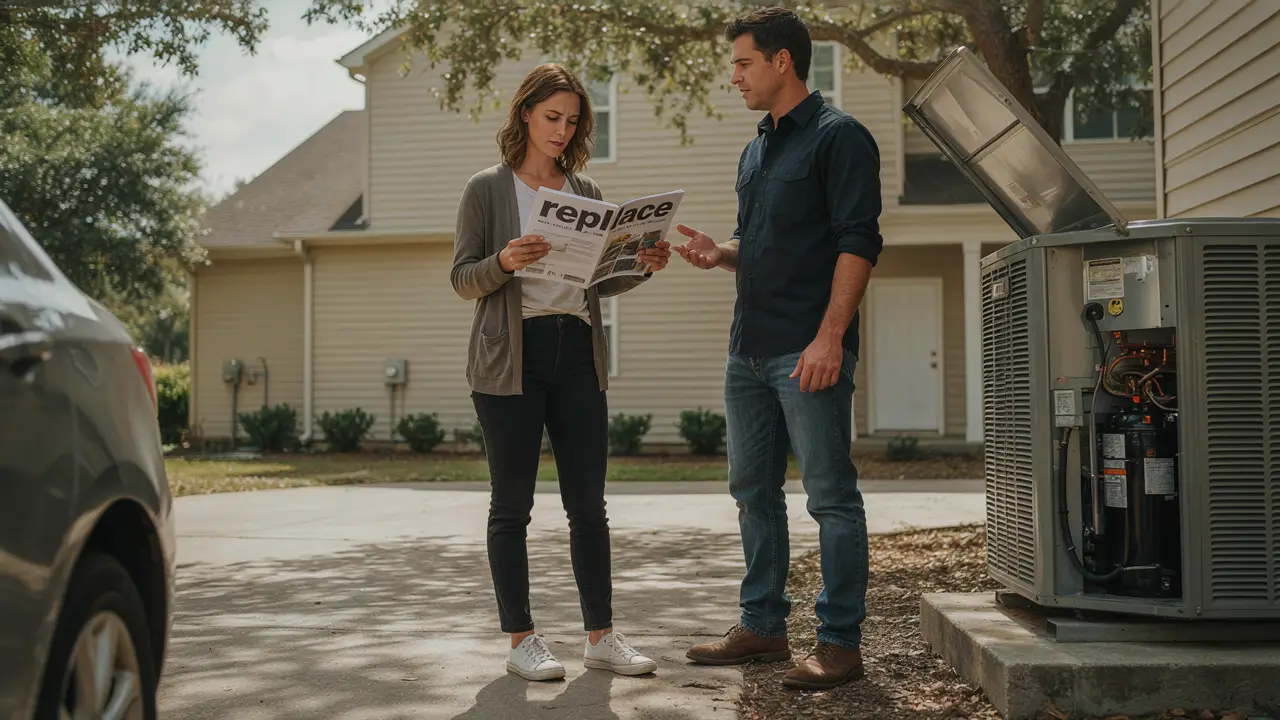
Should You Replace Your HVAC System Because of Poor Airflow?
Not necessarily.
This is one of the most important reasons to diagnose airflow problems before replacing expensive equipment.
If the actual issue is leaking ductwork, restricted airflow, poor balancing, or another installation-related problem, installing a new HVAC system without correcting that issue may not solve the problem.
You could end up with new equipment experiencing the same performance limitations.
A professional evaluation should determine whether the appropriate solution is:
- Maintenance.
- Ductwork repair.
- Airflow balancing.
- Component repair.
- System optimization.
- Equipment replacement.
The right solution depends on the actual cause.
Cool Techies: A Performance-Based Approach to HVAC
At Cool Techies, our approach goes beyond asking whether an HVAC system turns on and blows cold air.
We look at how the entire comfort system is performing.
Our team conducts on-site evaluations to measure HVAC performance and identify targeted improvements. After a new system is installed, we can also verify its performance to make sure it is operating as designed.
Airflow is a major part of that process.
By measuring airflow throughout the ductwork, our technicians can identify potential problems and make targeted recommendations rather than relying on assumptions.
This performance-focused approach can help homeowners get more out of the equipment they already have—and make better decisions when replacement is necessary.
What Can Homeowners Do to Improve Airflow?
Some airflow improvements are simple enough to handle yourself.
Start by:
Check your air filter
Replace a dirty filter according to the manufacturer’s recommendations and your home’s specific needs.
Keep vents open
Make sure furniture, curtains, and other objects aren’t blocking supply or return vents.
Check outdoor equipment
Keep vegetation and debris away from the outdoor condenser.
Pay attention to temperature differences
If one room is consistently warmer, don’t simply turn the thermostat lower. The issue may be related to airflow or distribution.
Schedule professional evaluation
If the problem continues, professional testing can determine whether ductwork, equipment, or another component is responsible.
Fix the Problem Instead of Fighting the Thermostat
Lowering the thermostat may seem like the easiest solution when your home isn’t cooling evenly.
But if airflow is the problem, setting the thermostat lower doesn’t fix the underlying issue.
Instead, your HVAC system may simply run longer.
That means more energy consumption, more equipment wear, and potentially higher repair costs.
The better approach is to understand what’s preventing the system from performing properly.
Frequently Asked Questions
What are the most common signs of HVAC airflow problems?
Common signs include weak airflow from vents, rooms that remain warmer than others, long cooling cycles, rising energy bills, inconsistent temperatures, and unusual ductwork noises.
Can poor airflow damage an HVAC system?
Restricted airflow can place additional stress on HVAC components and may contribute to reduced performance or certain system problems. If airflow issues persist, professional evaluation is recommended.
Will replacing my AC fix airflow problems?
Not always. If the underlying problem is ductwork, airflow balancing, installation, or another distribution issue, a new AC may experience the same limitation. Diagnosing the cause before replacement is important.
Is Poor Airflow Making Your HVAC Work Too Hard?
If your Houston home has rooms that never seem comfortable, rising energy bills, or an AC that runs constantly, don’t automatically assume you need a new system.
The problem could be airflow.
At Cool Techies, we use an engineering-based approach to evaluate HVAC performance, measure airflow, identify inefficiencies, and recommend targeted solutions.
Whether your system needs maintenance, airflow adjustments, ductwork repairs, or a complete replacement, understanding the root cause is the first step.
Contact Cool Techies today to schedule an HVAC performance evaluation and find out what’s really affecting your home’s comfort and efficiency.
By Calixto Armas