Insulation assessment Houston services can reveal problems that are easy to overlook but can have a direct impact on your home’s comfort and energy efficiency. If your HVAC system is running frequently, certain rooms never seem comfortable, or your energy bills remain higher than expected, the problem may not be the equipment alone.
Your home’s insulation plays an important role in how effectively your HVAC system can maintain indoor temperatures. When insulation is inadequate, damaged, or improperly installed, conditioned air can be harder to maintain—forcing your HVAC system to work harder to achieve the same results.
How Does Insulation Affect HVAC Efficiency?
Insulation helps slow the transfer of heat between your home and the outdoors. In Houston, that matters because outdoor temperatures can place significant cooling demands on a home for much of the year.
When insulation is performing properly, it helps reduce unwanted heat gain during hot weather and heat loss when temperatures drop. This allows your HVAC system to maintain the desired indoor temperature with less unnecessary workload.
Poor insulation can have the opposite effect. Heat can enter the home more easily, cooled air may be harder to retain, and your HVAC system may need to operate longer or more frequently.
In other words, even a well-maintained HVAC system can struggle to deliver efficient performance when the building envelope is working against it.
What Are the Signs Your Home May Have an Insulation Problem?
Insulation problems are not always obvious. You may not be able to see the issue from inside your home, but certain patterns can indicate that an assessment is worthwhile.
Look for signs such as:
- Rooms that are consistently warmer or cooler than others
- HVAC equipment that runs for unusually long periods
- Significant temperature differences between floors
- High or inconsistent energy bills
- Hot or cold areas near ceilings, walls, or exterior rooms
- Difficulty maintaining a consistent indoor temperature
- An HVAC system that seems to be working harder than expected
These symptoms can have several possible causes, including ductwork, airflow, equipment capacity, controls, or insulation. That is why professional evaluation is important before assuming that insulation is the problem.
Why Is an Insulation Assessment Important?
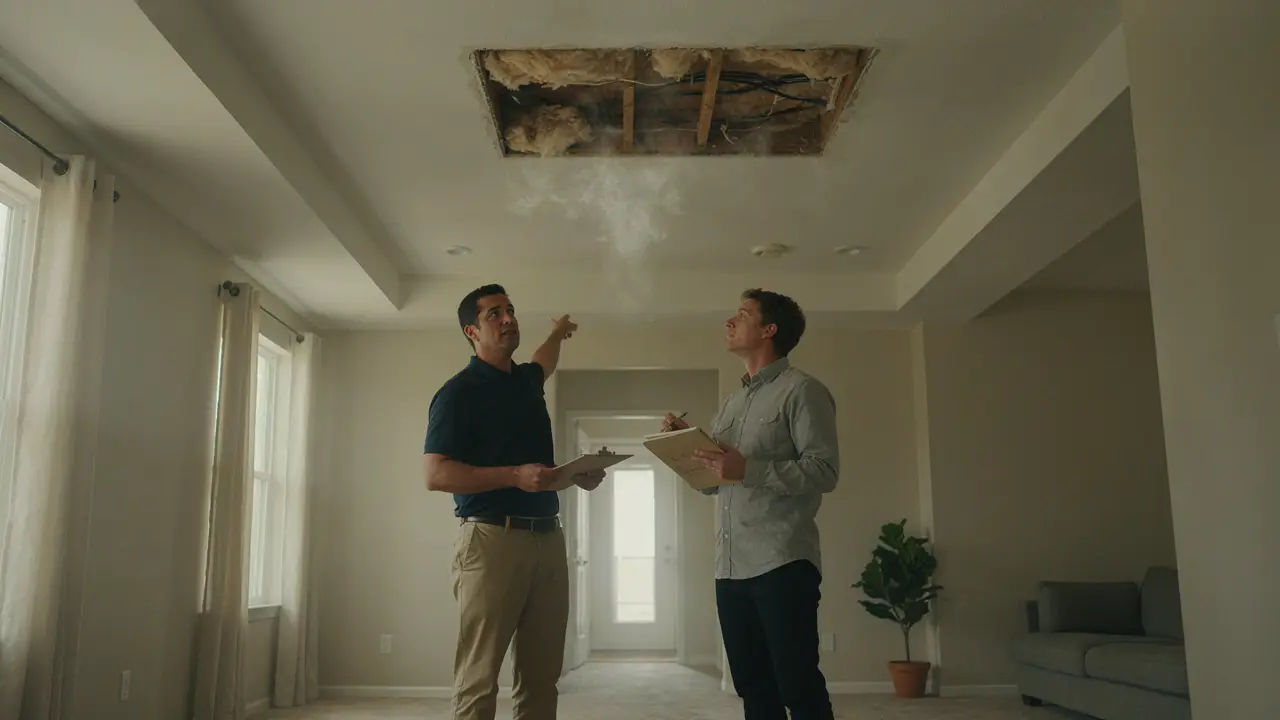
An insulation assessment helps determine whether your home’s existing insulation is contributing to energy loss or inconsistent comfort.
Rather than simply adding more insulation based on guesswork, a professional assessment can help identify areas where insulation may be insufficient, uneven, damaged, or otherwise affecting the home’s thermal performance.
This broader perspective matters because HVAC efficiency depends on more than the air conditioning or heating equipment itself.
The system, ductwork, airflow, insulation, and building envelope all contribute to how effectively a home maintains comfortable indoor conditions.
Can Poor Insulation Make Your HVAC System Work Harder?
Yes.
When a home gains or loses heat more quickly than expected, the HVAC system has to compensate. During Houston’s hot weather, inadequate insulation can allow more outdoor heat into the home. The cooling system may then need to run longer to maintain the thermostat setting.
Over time, excessive HVAC operation can affect comfort, system workload, and energy consumption.
Improving insulation does not make an inefficient HVAC system efficient by itself, but addressing insulation problems can reduce some of the unnecessary demand placed on the equipment.
Is Improving Insulation Worth the Investment?
For homeowners and property owners, the question is often about ROI, not simply comfort.
Improving insulation can potentially reduce energy loss and help a home maintain more stable temperatures. The actual savings and return on investment depend on factors such as the home’s existing insulation, size, construction, HVAC system, climate exposure, and energy usage.
That is why an assessment is valuable before investing in insulation upgrades. Understanding where energy is being lost can help property owners prioritize improvements instead of spending money on changes that may have a limited impact.
Insulation and HVAC Performance Work Together
It is tempting to look at an HVAC system as an isolated piece of equipment. In reality, the system operates within the building it is designed to condition.
If a home has air leakage, insufficient insulation, or other building-envelope issues, the HVAC equipment may have to compensate for those conditions.
This is why a home energy efficiency assessment can be useful when persistent comfort or energy problems cannot be explained by the HVAC equipment alone.
Looking at the interaction between the building and the HVAC system can provide a more complete picture of what is affecting performance.
When Should You Schedule an Insulation Assessment in Houston?
Consider an insulation assessment Houston service if you are experiencing persistent comfort issues, unusually high energy consumption, or an HVAC system that appears to be working harder than expected.
An assessment can also make sense when purchasing a property, planning renovations, or evaluating whether an energy-efficiency upgrade is worth the investment.
For property owners, identifying building-performance issues early can help inform maintenance and improvement decisions before problems become more costly.
Is Your Home Making Your HVAC System Work Too Hard?
If your HVAC system is running frequently but your home still has uncomfortable rooms, the equipment may not be the only factor.
Insulation, airflow, ductwork, and the overall building envelope can all influence HVAC efficiency. Understanding how these elements interact can help you determine where improvements may have the greatest impact.
Cool Techies provides HVAC and building-performance services in Houston and Katy, helping homeowners and property owners look beyond the obvious symptoms to understand how their systems are actually performing.
Contact Cool Techies to discuss an assessment and determine whether insulation could be affecting your home’s comfort and energy efficiency.
Frequently Asked Questions
How does insulation affect HVAC efficiency?
Insulation helps reduce heat transfer between your home and the outdoors. When insulation is inadequate, your HVAC system may need to operate longer or more frequently to maintain the desired indoor temperature.
How do I know if my home needs an insulation assessment?
Uneven temperatures, high energy consumption, rooms that remain uncomfortable, and HVAC equipment that runs longer than expected can all justify a professional assessment. These symptoms can have multiple causes, so an evaluation can help identify the actual problem.
Can adding insulation lower energy bills?
Improving inadequate insulation can reduce heat transfer and may help lower the amount of energy needed to maintain indoor comfort. However, the potential savings depend on the home’s existing conditions and other factors affecting energy use.
By Marielys Ceballos