Indoor humidity control Houston homeowners need is about more than staying cool during the summer. Houston’s hot, humid climate can make indoor spaces feel uncomfortable, contribute to condensation, and create conditions that encourage mold and mildew growth. Even when an air conditioning system is running, excessive moisture can remain in the air if the equipment is not properly designed, maintained, or configured.
Your HVAC system plays an important role in managing indoor humidity. Understanding how it removes moisture, recognizing the warning signs of excessive humidity, and knowing which adjustments can improve performance can help you maintain a healthier and more comfortable home.
Why Is Indoor Humidity Control Important in Houston?
Houston’s climate presents a particular challenge for residential HVAC systems. High outdoor humidity means that moisture can enter homes through doors, windows, ventilation systems, and small gaps in the building envelope.
Once inside, this moisture can affect indoor comfort and air quality.
When relative humidity stays too high, homeowners may notice:
- A sticky or clammy feeling, even when the thermostat shows a comfortable temperature.
- Musty odors in bedrooms, closets, or other enclosed spaces.
- Condensation on windows, vents, and other cool surfaces.
- Increased potential for mold and mildew growth.
- Conditions that favor dust mites and other moisture-loving allergens.
The U.S. Environmental Protection Agency (EPA) recommends keeping indoor relative humidity below 60%, ideally between 30% and 50% when possible. Monitoring humidity levels is a useful first step toward identifying moisture problems before they become more difficult to manage.
For Houston homeowners, maintaining appropriate humidity levels is an important part of overall indoor air quality.
How Does Your HVAC System Remove Moisture From Indoor Air?
Your air conditioner does more than lower indoor temperatures. It also removes moisture through a process called dehumidification.
During a cooling cycle, warm indoor air passes over the evaporator coil. Because the coil is colder than the air’s dew point, water vapor condenses into liquid droplets. This moisture collects in the drain pan and exits through the condensate drain line.
The remaining conditioned air circulates throughout your home with less moisture.
However, this process depends on several factors, including equipment capacity, airflow, operating time, and system condition.
1. Proper HVAC Sizing Makes a Difference
An oversized air conditioner may seem like a good investment because it can cool a home quickly. However, a system that is too large may reach the thermostat’s target temperature before running long enough to remove sufficient moisture.
This is known as short cycling.
When cooling cycles are too short, indoor temperatures may drop while humidity remains elevated. This can leave homeowners feeling uncomfortable despite having a relatively cool home.
A professional load calculation, such as ACCA Manual J, helps determine the cooling and moisture-removal requirements of a property before selecting equipment.
2. Airflow and System Performance Affect Dehumidification
Your HVAC system needs balanced airflow to operate effectively.
Restricted filters, dirty evaporator coils, improperly adjusted blower settings, and ductwork problems can interfere with system performance.
For example, a clogged air filter can restrict airflow and affect how efficiently the equipment operates. Leaky ducts may also allow humid outdoor air to enter the system or conditioned spaces, increasing the moisture load.
Regular HVAC maintenance helps identify these issues and keeps the system operating as intended.
3. Humidity Controls and Thermostat Settings Can Help
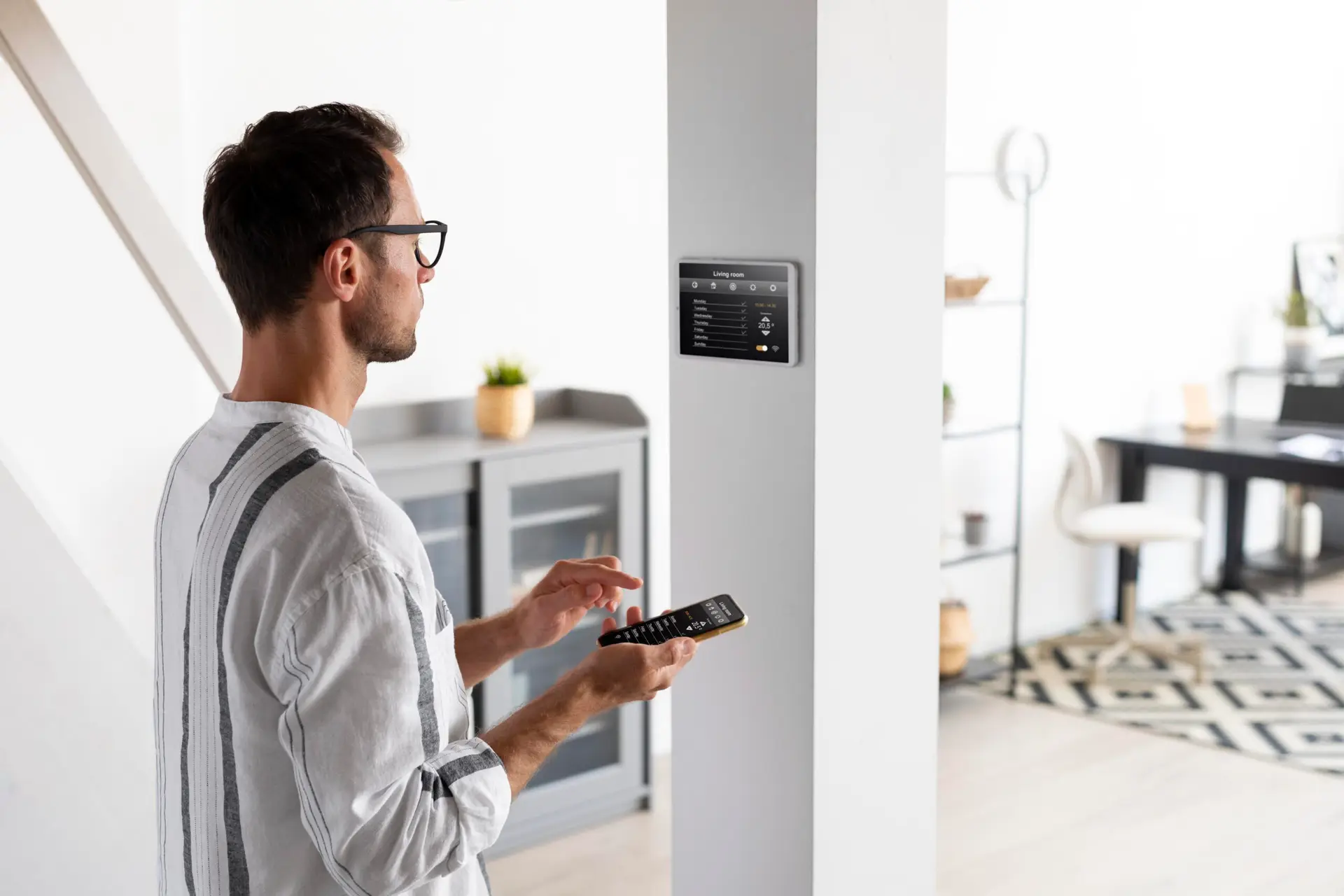
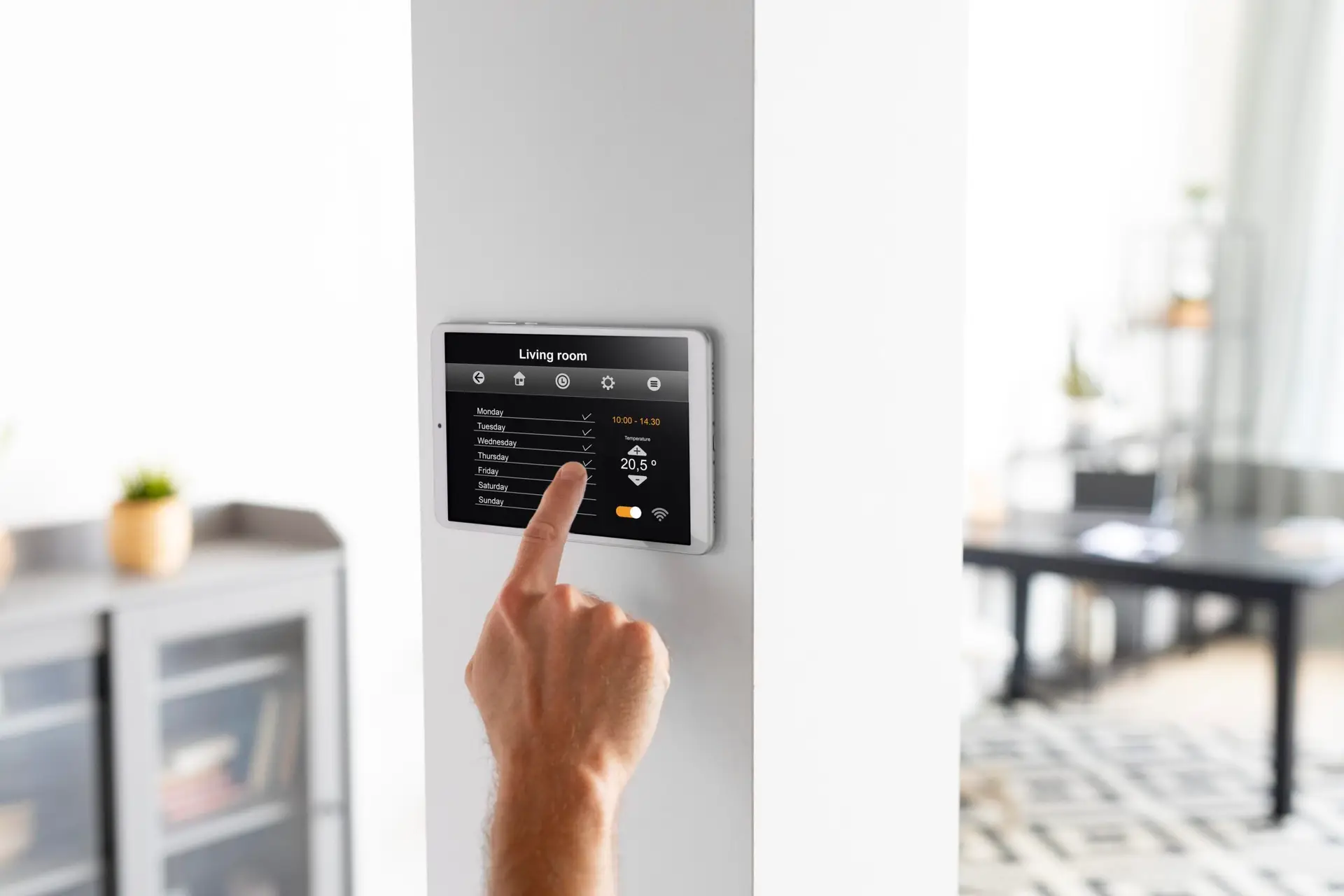
Some modern HVAC systems include humidity-sensing thermostats or advanced controls that allow homeowners to monitor and manage indoor moisture levels.
Depending on the equipment, these controls can adjust system operation to support better dehumidification.
If your home experiences persistent humidity problems, an HVAC professional can determine whether your current thermostat and system settings are appropriate or whether additional humidity-control equipment is necessary.
What HVAC Solutions Can Improve Indoor Humidity Control in Houston?
Not every home has the same moisture challenges. The right solution depends on the size of the property, existing equipment, insulation, ventilation, and the amount of moisture entering the home.
Here are some options an HVAC professional may evaluate.
Whole-Home Dehumidifiers
A whole-home dehumidifier works alongside your HVAC system to remove excess moisture from indoor air.
Unlike a standard air conditioner, which primarily responds to temperature demands, a dedicated dehumidifier can address humidity independently.
This can be particularly helpful during mild but humid weather when the air conditioner does not run frequently enough to remove sufficient moisture.
Variable-Speed HVAC Systems
Variable-speed equipment can adjust its operating capacity based on indoor conditions and cooling demands.
When properly selected and configured, these systems can provide longer, more consistent operating cycles that support improved moisture removal and temperature control.
However, performance depends on equipment design, installation, and system settings. Variable-speed technology alone does not guarantee ideal humidity levels.
Improved Ventilation and Ductwork
Ventilation helps manage indoor air quality, but bringing in outdoor air without proper moisture management can increase indoor humidity in a hot, humid climate.
An HVAC assessment can identify duct leaks, inadequate ventilation strategies, and other sources of unwanted moisture infiltration.
Properly designed ventilation and sealed ductwork help the system manage incoming air more effectively.
5 Signs Your HVAC System May Not Be Controlling Humidity Properly
Sometimes, humidity problems are not immediately obvious. Your thermostat may show the desired temperature while your home still feels uncomfortable.
Watch for these warning signs:
- Sticky indoor air: Rooms feel damp or clammy even when the AC is running.
- Persistent musty odors: Certain areas of your home have a noticeable smell that may indicate excess moisture.
- Window condensation: Moisture appears on glass surfaces, particularly when indoor and outdoor conditions differ.
- Frequent AC cycling: Your system turns on and off repeatedly without maintaining consistent comfort.
- Visible moisture or mold: Damp spots, discoloration, or mold growth may indicate an underlying moisture problem.
These symptoms do not automatically mean your HVAC system is failing. Plumbing leaks, roof issues, poor bathroom ventilation, and other building-related problems can also contribute to excess moisture.
A professional inspection can help identify the actual source.
How Can Houston Homeowners Maintain Healthy Indoor Humidity Levels?
HVAC performance is essential, but everyday habits also influence indoor moisture.
Consider these practical steps:
- Monitor relative humidity: Use a digital hygrometer to check moisture levels in different rooms.
- Use bathroom exhaust fans: Run them during and after showers to remove excess moisture.
- Ventilate kitchens properly: Cooking releases moisture into indoor air, so use an exhaust fan when possible.
- Replace air filters regularly: Follow the manufacturer’s recommendations to maintain proper airflow.
- Schedule preventive HVAC maintenance: Have your equipment inspected to identify drainage, airflow, and performance issues.
- Address water leaks promptly: Repair plumbing leaks, roof damage, and other sources of unwanted moisture.
If humidity remains consistently high despite these measures, your HVAC system may need a more detailed performance evaluation.
Keep Your Houston Home Comfortable With Cool Techies
Managing indoor humidity requires more than lowering the thermostat. Your HVAC system must be properly sized, maintained, and configured to handle both temperature and moisture loads.
At Cool Techies, we help Houston-area homeowners understand their heating and cooling systems and identify opportunities to improve comfort, airflow, and indoor air quality.
Whether you’re experiencing persistent humidity, uneven cooling, or concerns about your system’s performance, a professional HVAC evaluation can help you determine the next steps.
Need help with indoor humidity control in Houston? Call Cool Techies at 832-400-5730 to schedule an HVAC assessment and learn more about solutions for your home.
Frequently Asked Questions
1. What is the ideal indoor humidity level for a home in Houston?
A practical target is between 30% and 50% relative humidity, although the EPA recommends keeping indoor humidity below 60%. Monitoring indoor levels can help homeowners identify excessive moisture and determine whether additional dehumidification is necessary.
2. Can my air conditioner remove humidity without cooling my home too much?
A conventional air conditioner removes moisture while cooling indoor air. However, during mild but humid weather, it may not run long enough to provide sufficient dehumidification. A dedicated whole-home dehumidifier may help manage moisture without relying entirely on cooling cycles.
3. Why does my house feel humid even when the AC is running?
Several factors can contribute to this problem, including oversized equipment, restricted airflow, dirty coils, duct leaks, and inadequate dehumidification capacity. An HVAC professional can inspect the system and identify the source of the issue.
Marielys Ceballos