Smart thermostat installation Houston homeowners consider can offer more control over indoor temperatures, scheduling, and everyday HVAC operation. But before purchasing a new device, there is one important question to answer: Is your existing HVAC system compatible with the thermostat you want to install?
Not every smart thermostat works with every heating and cooling system. Compatibility depends on factors such as equipment type, wiring, voltage, control configuration, and whether the home has additional components like zoning systems or dehumidifiers.
A smart thermostat can be a useful upgrade, but choosing the right one requires more than checking whether it connects to Wi-Fi. Understanding how your HVAC system is configured can help prevent installation problems and ensure the new controls work as intended.
Smart Thermostat Installation Houston: How to Check HVAC Compatibility
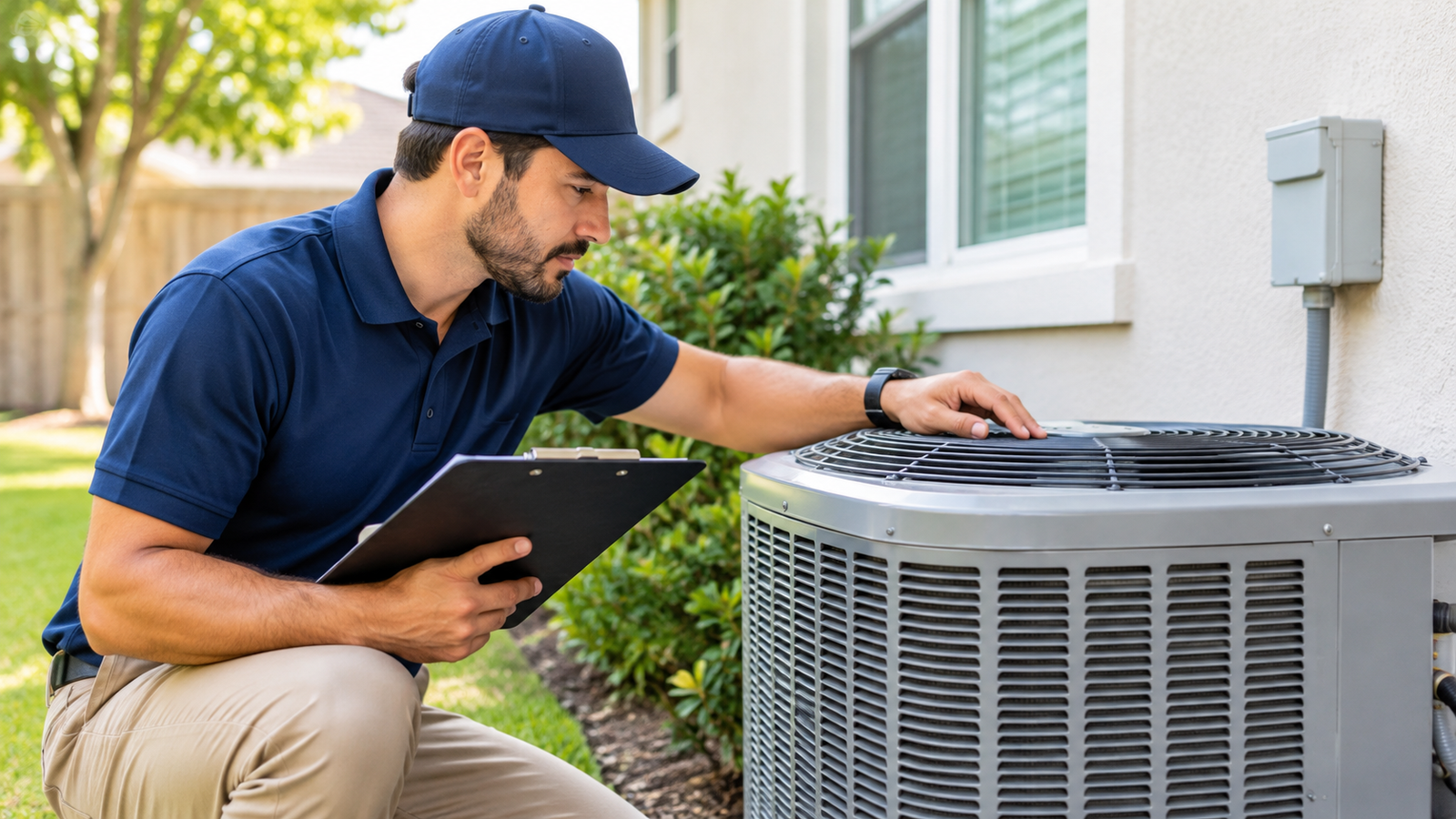
The first step is identifying the type of HVAC equipment installed in your home.
Some thermostats are designed for conventional heating and cooling systems, while others support heat pumps, multi-stage equipment, or more complex configurations.
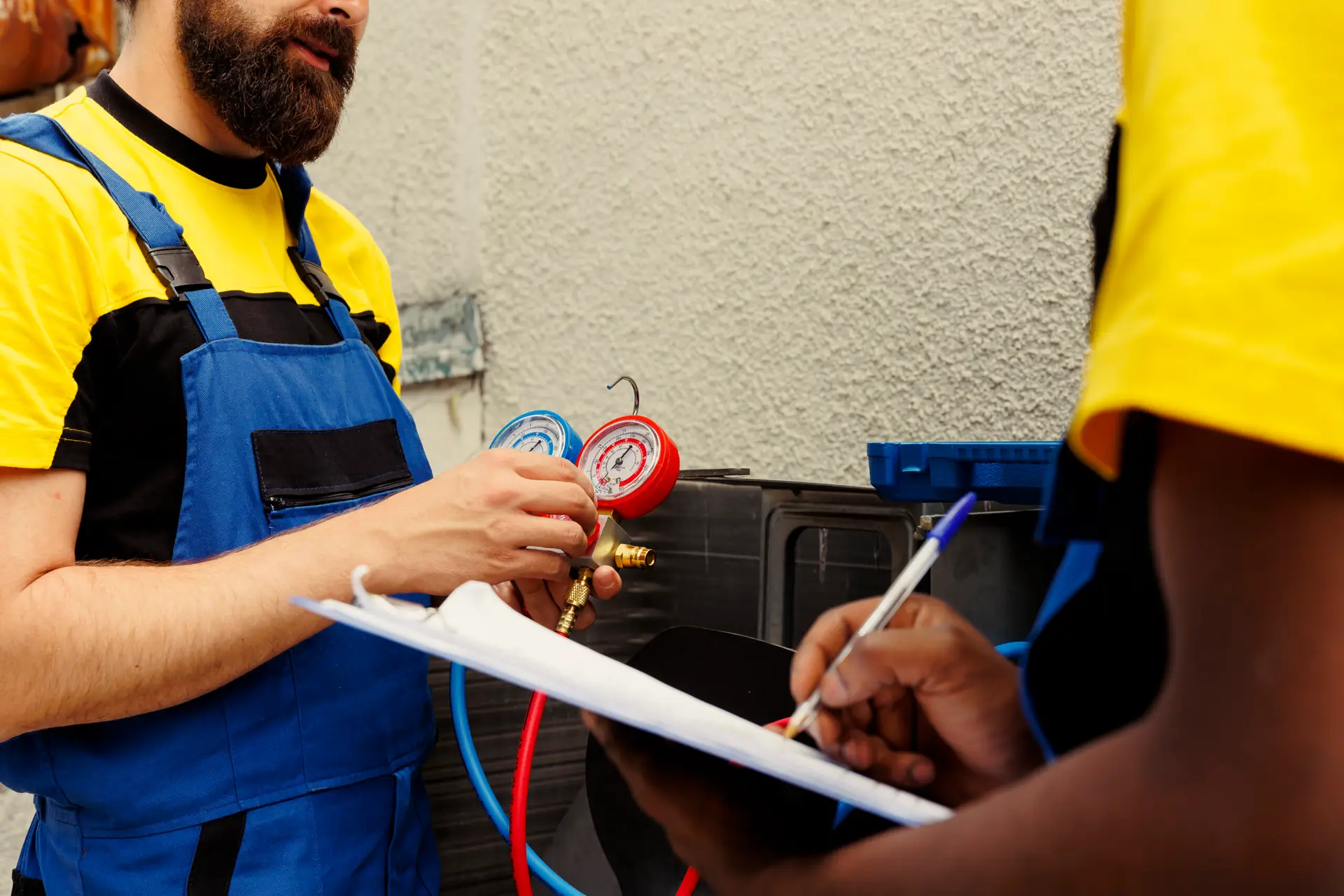
Before selecting a device, a technician should consider several factors.
1. Existing Thermostat Wiring
Thermostat wiring plays an important role in compatibility.
Many smart thermostats require a common wire, often called a C-wire, to provide continuous power. Some models offer alternative power solutions, but not every installation can use them.
An older thermostat may operate with a simpler wiring arrangement, while a newer smart thermostat may require additional connections.
That does not automatically mean the home needs new wiring. However, the existing configuration should be evaluated before purchasing the device.
2. HVAC Equipment Type
A thermostat designed for a conventional furnace and air conditioning system may not support every heat pump configuration.
Heat pumps use different operating controls, including functions related to heating and cooling modes. Some systems also have auxiliary or emergency heat.
The selected thermostat must support the equipment’s specific control requirements. Otherwise, the system may not respond correctly to temperature settings or operating modes.
3. Multi-Stage Systems and Zoning
Some homes have HVAC systems that operate at multiple heating or cooling stages. Others use zoning controls to manage temperatures in different areas of the house.
These configurations may require more advanced thermostat compatibility and careful setup.
Installing a device without understanding the existing controls can create problems with system communication or operation.
4. Additional Equipment
A thermostat may also interact with other components connected to the HVAC system.
Examples include:
- Whole-home dehumidifiers.
- Humidifiers.
- Ventilation equipment.
- Zone control panels.
- Specialized control modules.
When these components are part of the installation, replacing the thermostat is not always a simple wire-for-wire project.
The technician needs to understand how the controls work together before making changes.
What Should You Check Before Buying a Smart Thermostat?
If you are considering an upgrade, use this checklist before choosing a model.
Identify your HVAC system. Determine whether your home uses a conventional furnace and AC, a heat pump, or a more complex configuration.
Check the existing thermostat model. The model number and wiring arrangement can provide useful information about the current setup.
Review the manufacturer’s compatibility requirements. Smart thermostat manufacturers publish compatibility information for different equipment types. Compare those requirements with your home’s system.
Consider connected accessories. If your HVAC equipment includes a dehumidifier, humidifier, zoning system, or other controls, make sure the selected thermostat supports the necessary configuration.
Think about how you want to use it. Scheduling, remote access, temperature monitoring, and other features vary by model. Choose features that fit your household rather than assuming every device offers the same capabilities.
If you are uncertain about the wiring or equipment type, have an HVAC professional evaluate the installation before purchasing the thermostat.
Why Smart thermostat Installation Houston Matters for Complex HVAC Systems
A smart thermostat installation may look straightforward, but the process can become more involved when the HVAC system has additional control components.
For example, a home may have a control module that manages communication between the thermostat and the equipment. There may also be wiring connected to a dehumidifier or other indoor comfort components.
In these situations, simply matching wire labels is not enough. The technician must understand the existing configuration, verify compatibility, and confirm that the equipment responds correctly after installation.
This is particularly important when replacing an older thermostat in a system that has been modified over time.
At Cool Techies, the focus is on evaluating the complete setup rather than treating the thermostat as an isolated device.
That approach also reflects the experience of homeowners who have worked with the team. One customer highlighted how technicians handled a more complex installation involving control modules, AC wiring, and a dehumidifier, while taking the time to answer questions.
Clear communication matters because homeowners should understand what is being installed and how the new controls interact with their HVAC equipment.
Can a Smart Thermostat Help Manage Energy Use?
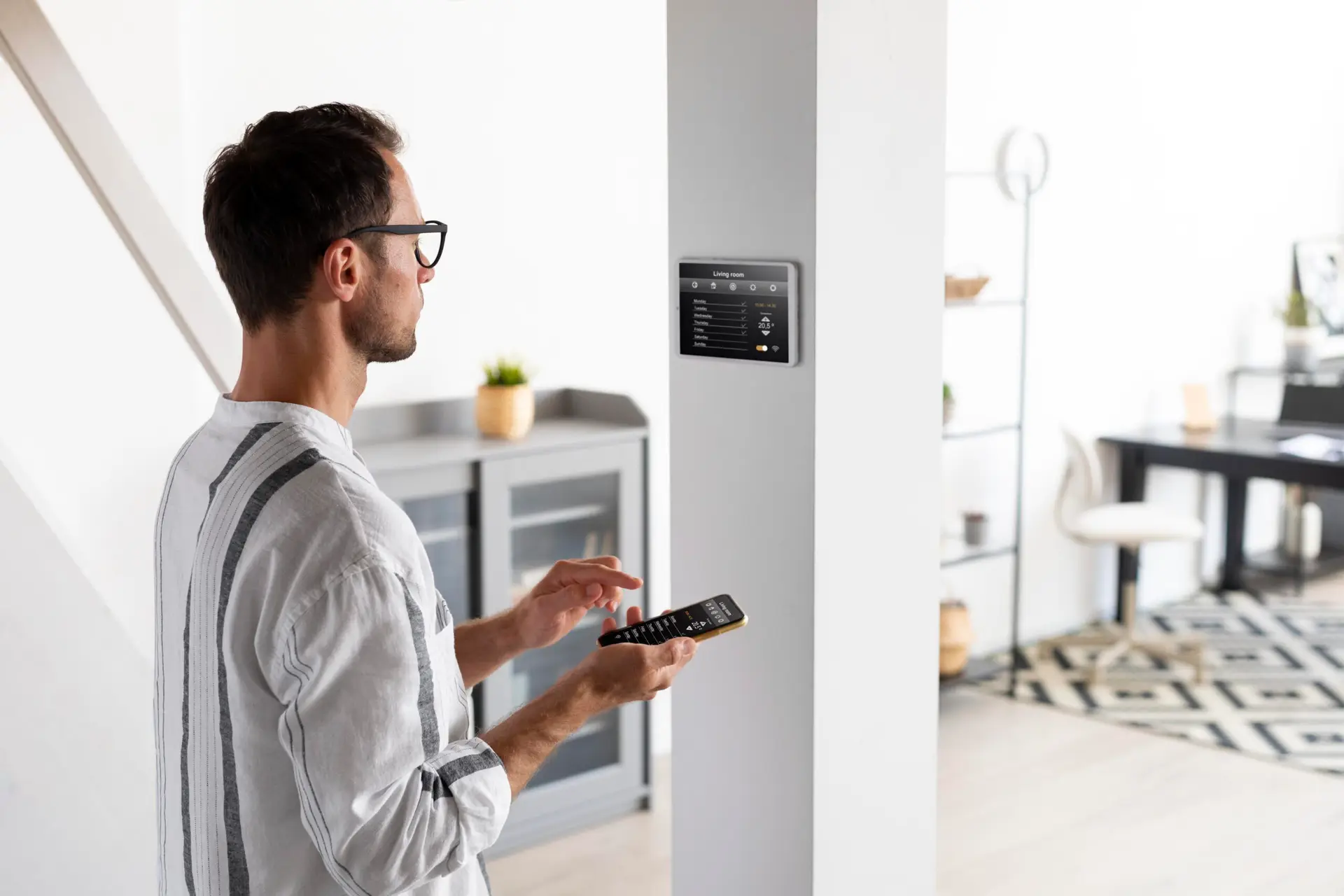
A smart thermostat can make it easier to manage heating and cooling schedules.
For example, homeowners may be able to adjust temperature settings remotely, create schedules around their routines, or monitor indoor temperatures through an app.
These features can help reduce unnecessary heating or cooling when the home is unoccupied. However, the actual impact on energy use depends on several factors:
- The home’s insulation and air leakage.
- HVAC equipment efficiency and condition.
- Household occupancy patterns.
- Temperature settings.
- Thermostat programming and usage.
A smart thermostat does not automatically make an inefficient HVAC system efficient. It is a control upgrade, not a replacement for proper equipment sizing, maintenance, or airflow.
For Houston homeowners, the ability to manage cooling during long warm periods and adjust heating schedules during colder weather can be especially useful.
Is It Time to Upgrade Your Thermostat?
If your current thermostat is outdated, difficult to program, or does not offer the control features you want, a smart thermostat may be worth considering.
But compatibility should come before the purchase.
An evaluation can help determine which models work with your HVAC system, whether the existing wiring is suitable, and whether additional configuration is necessary.
Cool Techies provides HVAC service in Houston and surrounding areas, including thermostat installation and system evaluations.
Before buying a device, call 832-400-5730 to discuss your existing equipment and find out what type of smart thermostat may be appropriate for your home.
Frequently Asked Questions
Do all smart thermostats work with every HVAC system?
No. Compatibility depends on the equipment type, wiring, voltage, and control configuration. Some thermostats support conventional systems, while others are designed for heat pumps or multi-stage equipment.
Does a smart thermostat always need a C-wire?
Many smart thermostats require a C-wire for continuous power, but requirements vary by model. Some devices offer alternative power options. The existing wiring should be checked against the manufacturer’s specifications.
Can I install a smart thermostat if my HVAC system has a dehumidifier?
Possibly. The thermostat must support the required controls, and the existing wiring and system configuration need to be evaluated. A professional installation can help ensure the thermostat and connected equipment operate correctly.
By Calixto Armas