Why Your AC Can’t Keep Up: Understanding HVAC System Overload During a Houston Summer
If your air conditioner seems to run all day without keeping your home cool, you’re not alone. Every summer, thousands of Houston homeowners wonder why their AC can’t keep up—even when it’s technically “working.”
The answer often isn’t that your air conditioner is broken. Instead, your system may be experiencing HVAC system overload, a condition where your heating and cooling equipment is forced to work beyond its optimal capacity because of extreme outdoor temperatures, poor airflow, ductwork issues, or hidden inefficiencies.
Houston’s combination of intense heat, high humidity, and extended cooling seasons places enormous stress on residential HVAC systems. While every AC unit works harder in the summer, it should still be able to maintain consistent indoor comfort. If it can’t, there’s likely an underlying issue reducing performance.
The good news? An overloaded HVAC system usually gives warning signs before it fails completely. Identifying those signs early can help you avoid costly emergency repairs, lower your energy bills, and extend the lifespan of your equipment.
Let’s explore why HVAC systems become overloaded, what causes the problem, and how professional performance testing can restore your home’s comfort.
HVAC System Overload: What Does It Mean?
HVAC system overload occurs when your air conditioner must operate continuously—or much longer than designed—to maintain indoor temperatures.
Instead of cycling on and off efficiently, the system struggles to remove heat from your home.
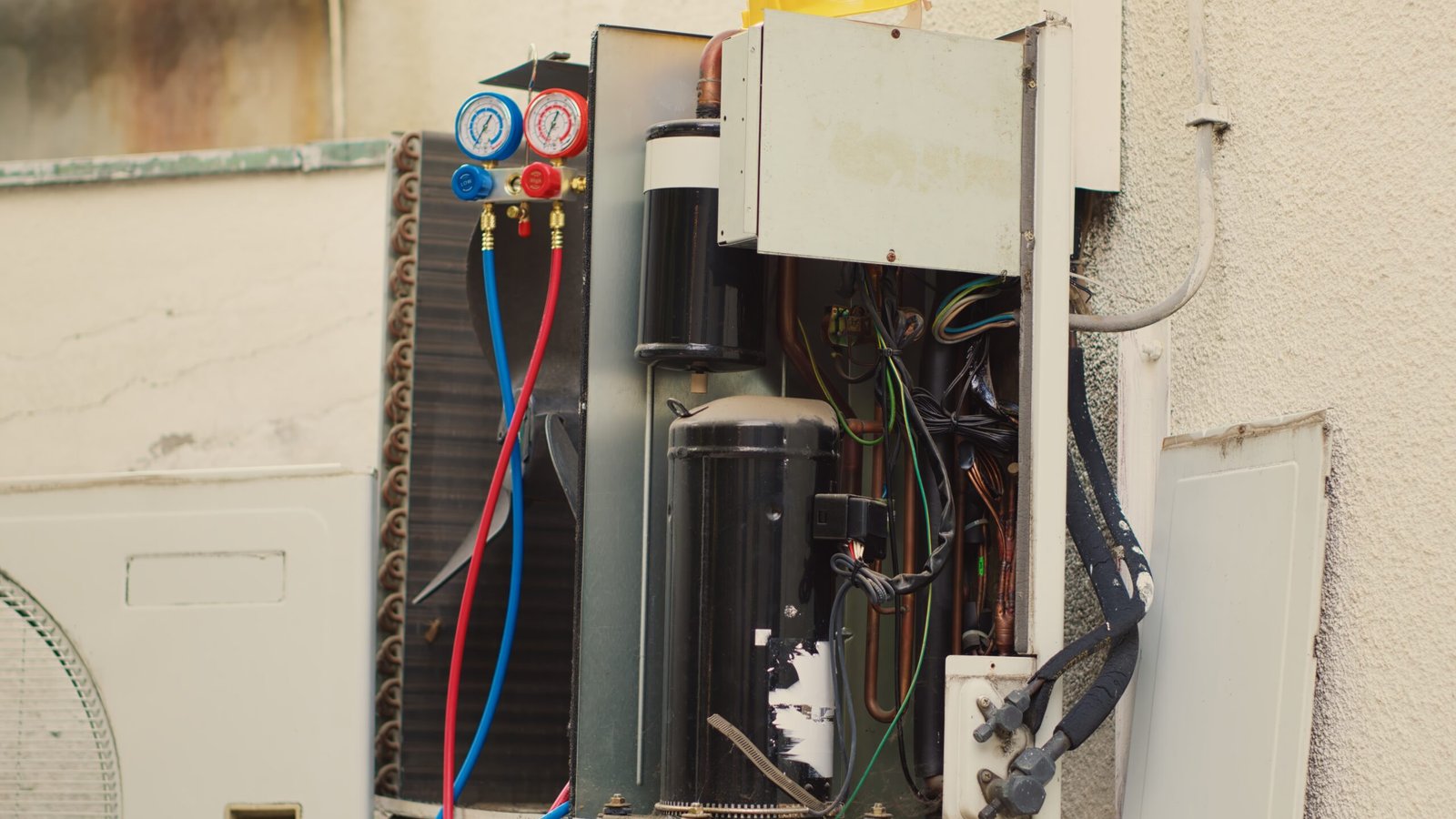
This increased workload affects nearly every component, including:
- Compressor
- Blower motor
- Evaporator coil
- Condenser unit
- Thermostat
- Refrigerant system
- Ductwork
The longer the overload continues, the greater the wear on your equipment.
Why Houston Summers Push HVAC Systems to Their Limits
Houston is one of the most demanding climates for air conditioning systems.
During July and August, outdoor temperatures regularly exceed 95°F while humidity levels remain extremely high.
Your HVAC system isn’t only cooling your home.
It’s also removing moisture from indoor air.
When airflow is restricted or equipment isn’t operating efficiently, both cooling and humidity control suffer.
That’s why homes can feel warm and sticky even when the thermostat says 72 degrees.
Signs Your HVAC System Is Overloaded
Many homeowners assume an overloaded system simply means the AC isn’t cold enough.
In reality, there are several warning signs.
Your AC Runs Constantly
Long cooling cycles during extreme heat are normal.
Running continuously without reaching the thermostat setting is not.
This usually indicates reduced efficiency somewhere within the system.
Your Energy Bills Suddenly Increase
When an HVAC system works harder, it consumes more electricity.
If your usage hasn’t changed but your utility bill keeps climbing, poor system performance could be the cause.
Some Rooms Never Cool Down
Uneven temperatures often indicate:
- Airflow problems
- Leaking ductwork
- Poor system balancing
- Restricted vents
The equipment may be working properly while the conditioned air never reaches every room.
Weak Airflow From Vents
If the air coming from your vents feels weak, the issue may involve:
- Dirty air filters
- Blower problems
- Blocked ducts
- Airflow restrictions
Weak airflow forces your AC to work longer while cooling less effectively.
High Indoor Humidity
An overloaded system often struggles to remove moisture.
This creates:
- Sticky indoor air
- Musty odors
- Reduced comfort
- Potential mold growth
Humidity control is just as important as temperature control in Houston.
What Causes HVAC System Overload?
Several factors can reduce HVAC performance.
Dirty Air Filters
Restricted airflow forces the blower motor to work harder while reducing cooling efficiency.
Replacing filters regularly is one of the easiest ways to reduce unnecessary strain.
Dirty Evaporator or Condenser Coils
Dust and debris prevent efficient heat transfer.
As efficiency decreases, the compressor runs longer and consumes more energy.
Low Refrigerant
Low refrigerant levels reduce cooling capacity.
Contrary to popular belief, refrigerant does not simply “run out.”
If levels are low, there’s usually a leak that should be repaired professionally.
Ductwork Problems
Your duct system delivers conditioned air throughout the home.
Leaks, poor design, disconnected ducts, or airflow restrictions can prevent cool air from reaching living spaces.
Even the most efficient air conditioner cannot compensate for significant duct losses.
Incorrect System Size
Many homeowners assume bigger is better.
It isn’t.
An oversized unit cools too quickly without removing humidity.
An undersized unit struggles continuously.
Proper system sizing is essential for long-term efficiency.
Why Airflow Matters More Than Most Homeowners Realize
One of the biggest differences between Cool Techies and traditional HVAC companies is our focus on airflow.
Many contractors replace parts without evaluating whether air is actually moving correctly throughout the home.
At Cool Techies, airflow is one of the first things we measure.
Proper airflow allows your HVAC system to:
- Cool more efficiently
- Remove humidity effectively
- Reduce compressor workload
- Improve indoor comfort
- Lower operating costs
- Extend equipment lifespan
Without proper airflow, even a brand-new HVAC system may operate well below its rated efficiency.
HVAC Performance Testing: Finding the Real Problem
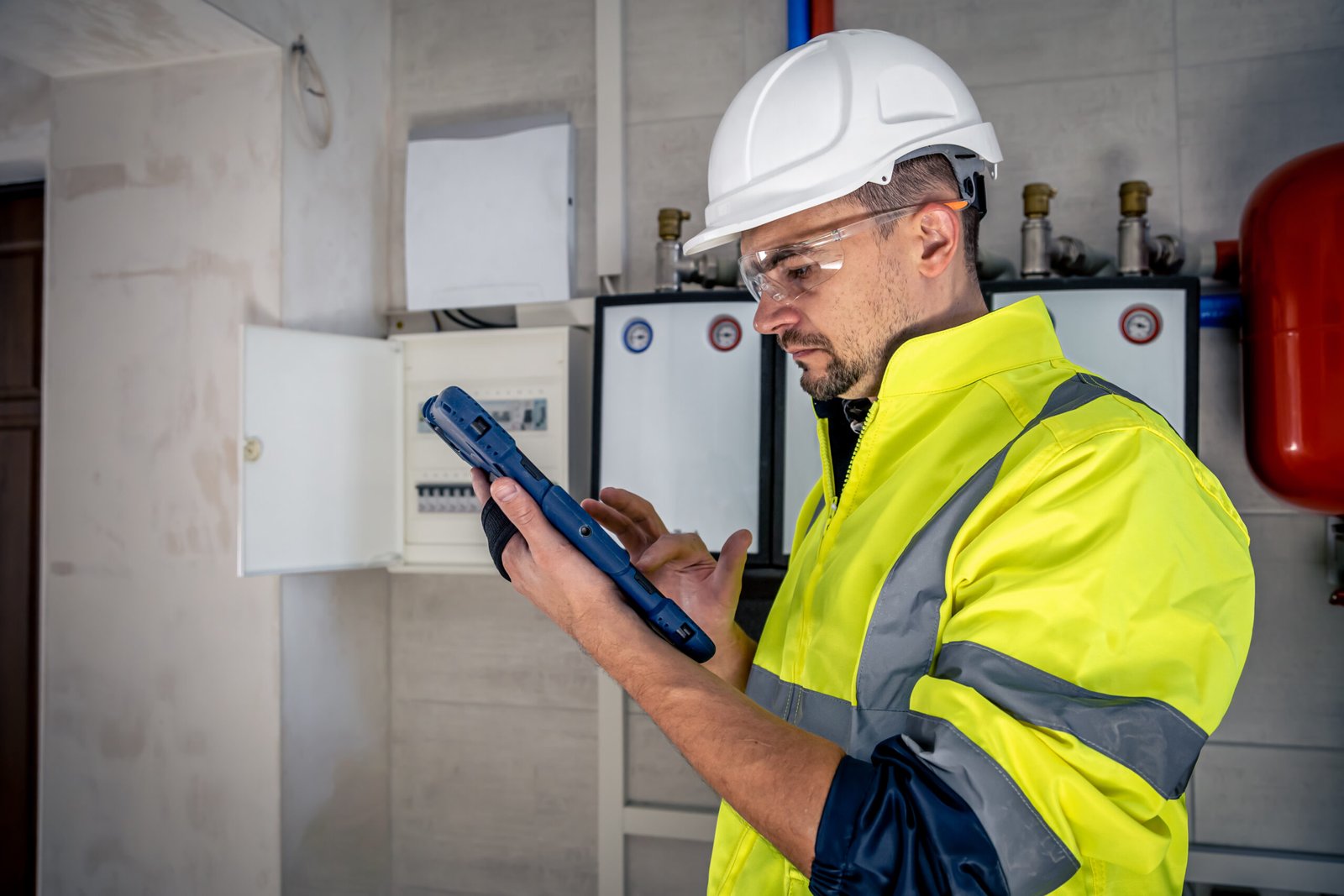
Instead of guessing why your system is struggling, Cool Techies performs comprehensive HVAC Performance Testing.
Our engineering-based approach evaluates the entire comfort system—not just the equipment.
We measure:
- Airflow throughout the duct system
- Static pressure
- Equipment efficiency
- Temperature differences
- Air distribution
- Overall system performance
These measurements help us identify hidden problems that many traditional inspections overlook.
Rather than replacing parts unnecessarily, we solve the root cause of poor performance.
Can Maintenance Prevent HVAC System Overload?
Absolutely.
Preventive maintenance is one of the most effective ways to reduce stress on your HVAC system.
Routine service helps technicians:
- Clean coils
- Replace filters
- Inspect electrical components
- Verify refrigerant levels
- Measure airflow
- Identify worn parts before failure
A well-maintained HVAC system typically operates more efficiently, lasts longer, and experiences fewer unexpected breakdowns.
Simple Ways Homeowners Can Reduce HVAC Overload
You don’t have to wait for a breakdown before improving efficiency.
Here are a few practical tips:
Replace Air Filters Frequently
Check filters every month during peak cooling season.
Keep Supply and Return Vents Open
Blocked vents reduce airflow throughout the system.
Schedule Annual Performance Testing
Performance testing identifies efficiency problems before they become costly repairs.
Seal Air Leaks Around Your Home
Reducing heat gain lowers the workload on your HVAC equipment.
Keep the Outdoor Unit Clean
Remove leaves, grass, and debris around the condenser for better airflow.
Install a Smart Thermostat
Programmable settings reduce unnecessary runtime while maintaining comfort.
Why Houston Homeowners Choose Cool Techies
Since 2015, Cool Techies has helped homeowners throughout Houston improve comfort through engineering-driven HVAC solutions.
We don’t believe in simply replacing equipment.
Our team evaluates the performance of your entire HVAC system, including airflow, ductwork, efficiency, and indoor air quality.
Whether your system needs a repair, maintenance, or a complete performance evaluation, our goal is always the same:
Deliver maximum comfort with the highest possible efficiency.
If your AC can’t keep up with the Houston heat, don’t assume it’s simply because temperatures are high. In many cases, HVAC system overload is the result of hidden performance issues such as poor airflow, dirty components, ductwork leaks, or incorrect system sizing.
Ignoring these warning signs can lead to higher energy bills, reduced comfort, and expensive equipment failures. The best solution is to identify the root cause before your system reaches its breaking point.
With professional HVAC Performance Testing, airflow analysis, and engineering-based diagnostics, you can restore efficiency, improve indoor comfort, and help your air conditioner perform the way it was designed—even during the hottest Houston summers.
Frequently Asked Questions
What is HVAC system overload?
HVAC system overload occurs when your air conditioner works harder than it should to maintain indoor temperatures. It is often caused by poor airflow, dirty components, ductwork issues, or system inefficiencies.
Why does my AC run constantly during the summer?
Longer cooling cycles are normal during Houston’s hottest days, but continuous operation without reaching the desired temperature often indicates reduced system performance or airflow problems.
How can I prevent my HVAC system from overworking?
Regular maintenance, clean air filters, proper airflow, duct inspections, and professional HVAC Performance Testing help your system operate more efficiently while reducing unnecessary strain.
Keep Your HVAC System Performing at Its Best
Don’t let an overloaded HVAC system compromise your comfort this summer. At Cool Techies, we go beyond standard HVAC repairs by using engineering-based diagnostics and HVAC Performance Testing to uncover the real reasons your system is struggling.
From airflow measurements and ductwork evaluations to maintenance and system optimization, our team delivers customized solutions that improve efficiency, lower energy costs, and help your equipment perform at its full potential.
Contact Cool Techies today to schedule a professional HVAC performance evaluation and enjoy a cooler, healthier, and more energy-efficient home all summer long.
Marielys Ceballos