Is Your HVAC System Overworking? Here’s What Houston Homeowners Need to Know
An HVAC system overworking is one of the most common yet overlooked causes of high energy bills, inconsistent indoor temperatures, and premature equipment failure. Many homeowners assume that if their air conditioner is still running, everything is fine. In reality, a system that constantly runs longer than necessary may be struggling to keep up with your home’s cooling demands.
In Houston, where air conditioning is essential for much of the year, HVAC systems endure significant stress. High temperatures, humidity, poor insulation, air leaks, dirty filters, and ductwork issues can force a system to work harder than intended. Over time, this extra workload increases energy consumption, reduces comfort, and shortens equipment lifespan.
The good news is that there are often clear warning signs before major problems occur. Identifying them early can help homeowners improve comfort, lower utility costs, and avoid expensive repairs.
What Does It Mean When an HVAC System Is Overworking?
An HVAC system is designed to cycle on and off throughout the day to maintain a desired indoor temperature.
When an HVAC system is overworking, it spends excessive time running, struggles to reach thermostat settings, or uses more energy than necessary to achieve the same level of comfort.
This situation may be caused by:
- Poor airflow
- Leaky ductwork
- Dirty air filters
- Aging equipment
- Incorrect system sizing
- Poor insulation
- Air leaks around doors and windows
- Thermostat issues
- Excessive heat gain
While homeowners often blame the equipment itself, the problem is frequently related to the home’s overall comfort system.
Why Overworking HVAC Systems Are Common in Houston
Houston’s climate presents unique challenges.
Summer temperatures regularly exceed 90°F, while humidity levels remain high for much of the year. Because of this, air conditioning systems often operate for extended periods.
However, an efficient system should still maintain comfort without running constantly.
When airflow restrictions, insulation problems, or duct leaks are present, the equipment must work much harder to cool the home. This leads to increased wear and reduced efficiency.
The result is often higher energy bills without improved comfort.
Sign #1: Your Energy Bills Keep Increasing
One of the earliest indicators of an HVAC system overworking is a noticeable increase in monthly utility costs.
If your energy usage habits have not changed but your electricity bills continue rising, your HVAC system may be consuming more power than necessary.
Common causes include:
- Reduced airflow
- Dirty components
- Duct leakage
- Aging equipment
- Poor system performance
Because cooling accounts for a significant portion of energy use in Houston homes, even small inefficiencies can have a noticeable impact on monthly expenses.
Sign #2: The System Runs Almost Constantly
During extremely hot days, longer cooling cycles are normal.
However, if your system seems to run nearly nonstop, it may be struggling to meet demand.
Continuous operation can indicate:
- Restricted airflow
- Insufficient cooling capacity
- Refrigerant issues
- Air leakage
- Poor duct performance
When equipment rarely cycles off, both energy consumption and mechanical wear increase significantly.
Sign #3: Uneven Temperatures Throughout the Home
Do some rooms feel comfortable while others remain hot?
Uneven temperatures often suggest airflow problems rather than equipment failure.
Potential causes include:
- Unbalanced ductwork
- Blocked vents
- Duct leakage
- Poor airflow distribution
- Inadequate insulation
When conditioned air fails to reach all areas evenly, the system compensates by running longer, increasing strain on equipment.
Sign #4: Weak Airflow From Vents
Airflow is the foundation of HVAC performance.
Even the most advanced air conditioning system cannot operate efficiently without proper airflow.
Signs of airflow issues include:
- Weak air coming from vents
- Certain rooms receiving little airflow
- Excessive temperature differences
- Longer cooling cycles
At Cool Techies, airflow testing often reveals hidden issues that homeowners cannot easily detect on their own.
By measuring airflow throughout the system, technicians can identify restrictions and inefficiencies that contribute to excessive workload.
Sign #5: High Indoor Humidity Levels
Houston homeowners are familiar with humidity.
A properly functioning HVAC system helps remove moisture from indoor air while cooling the home.
If your home feels:
- Sticky
- Damp
- Uncomfortable
even while the air conditioner is running, your system may not be operating efficiently.
Excess humidity can force equipment to work harder while reducing overall comfort.
Sign #6: Frequent HVAC Repairs
An HVAC system that constantly requires repairs may be showing signs of chronic overwork.
When components operate under excessive stress, they wear out faster.
Common failures include:
- Capacitors
- Blower motors
- Compressors
- Contactors
- Thermostats
Addressing the root cause of excessive workload often helps prevent recurring repair issues.
Sign #7: Excessive Dust and Poor Indoor Air Quality
Overworking HVAC systems frequently struggle with airflow and filtration problems.
You may notice:
- More dust accumulation
- Increased allergy symptoms
- Poor indoor air quality
- Uneven airflow
Dirty filters and duct leaks can contribute to these issues while reducing overall efficiency.
Improving airflow often improves both comfort and indoor air quality.
The Hidden Role of Ductwork
Many homeowners focus entirely on the air conditioning unit itself.
However, ductwork plays a major role in system performance.
According to industry studies, duct leakage can waste a significant percentage of conditioned air before it reaches living spaces.
Common ductwork issues include:
- Leaks
- Poor sealing
- Improper sizing
- Airflow restrictions
- Unbalanced distribution
Even a high-efficiency system cannot perform properly if the duct system is inefficient.
How Airflow Testing Helps Identify Problems
One of the most effective ways to diagnose an HVAC system overworking is through professional airflow testing.
Airflow testing measures:
- Air volume
- Duct performance
- System balance
- Pressure levels
- Overall efficiency
At Cool Techies, airflow testing helps uncover hidden inefficiencies that often go unnoticed during standard inspections.
Rather than guessing, technicians can use actual performance data to recommend targeted improvements.
How to Improve HVAC Efficiency
If your HVAC system is working harder than necessary, several solutions may help.
Replace Air Filters Regularly
Dirty filters restrict airflow and force equipment to run longer.
Schedule Preventive Maintenance
Routine maintenance helps identify small issues before they become major problems.
Seal Air Leaks
Improving insulation and sealing gaps around windows and doors reduces cooling demand.
Evaluate Ductwork Performance
Professional duct inspections can reveal airflow problems that affect comfort and efficiency.
Upgrade Aging Equipment
Older systems often consume significantly more energy than modern high-efficiency models.
Consider Smart Thermostat Technology
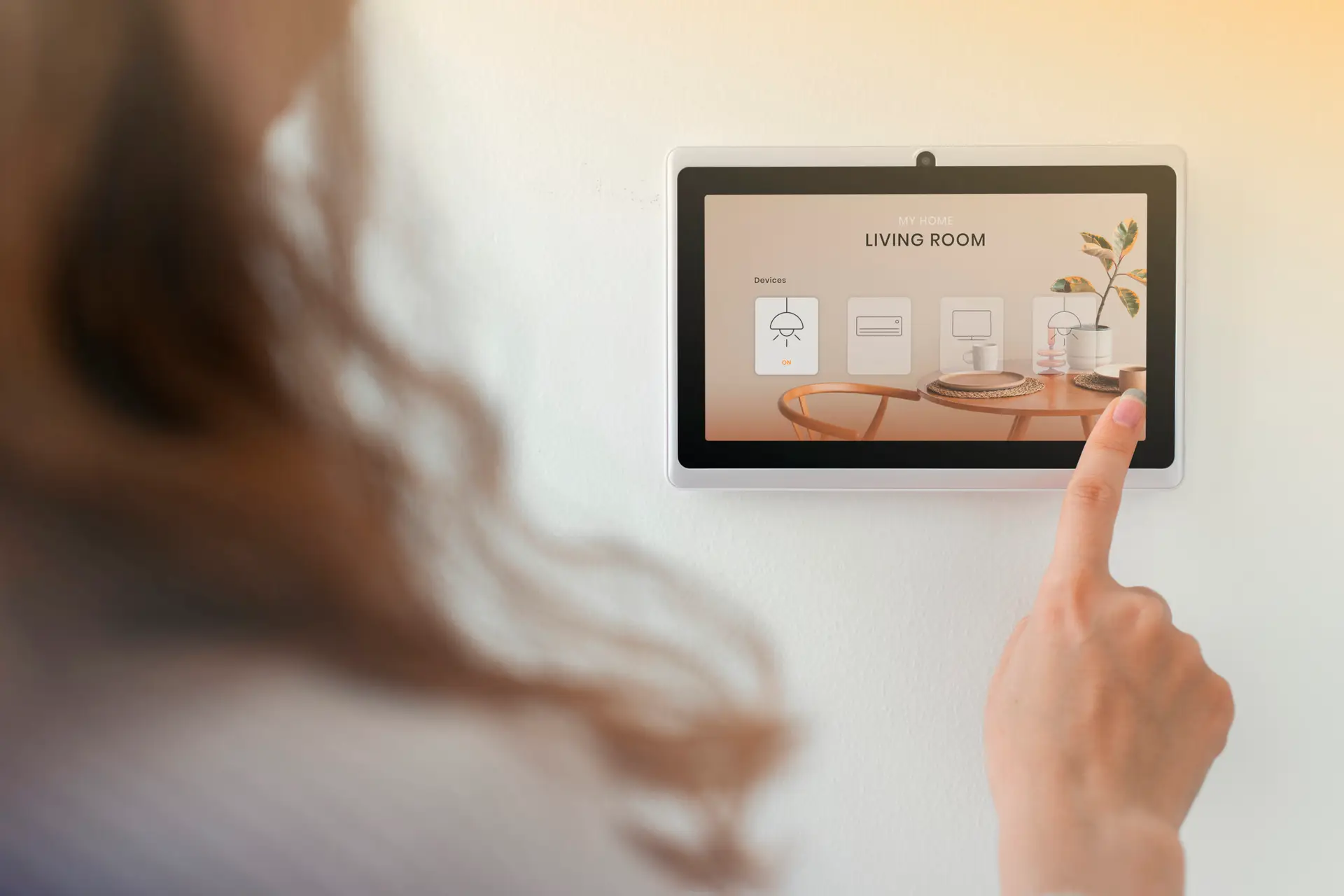
Smart thermostats help optimize system operation and reduce unnecessary runtime.
Why HVAC Efficiency Matters
An efficient HVAC system delivers more than lower utility bills.
Benefits include:
- Improved comfort
- Better indoor air quality
- Longer equipment lifespan
- Reduced repair costs
- Lower energy consumption
- More consistent temperatures
When airflow, ductwork, insulation, and equipment work together properly, homeowners experience better overall performance and comfort.
An HVAC system overworking is often a warning sign that your home is losing energy efficiency. Rising utility bills, constant operation, weak airflow, uneven temperatures, and humidity problems can all indicate that your system is working harder than necessary.
For Houston homeowners, identifying these issues early can prevent costly repairs and improve long-term comfort. In many cases, the solution goes beyond the HVAC unit itself and involves airflow optimization, ductwork improvements, and overall system performance evaluation.
At Cool Techies, our engineering-based approach focuses on measuring actual HVAC performance, identifying inefficiencies, and helping homeowners achieve maximum comfort and efficiency year-round.
FAQs
What causes an HVAC system to overwork?
Common causes include dirty filters, duct leaks, poor insulation, airflow restrictions, aging equipment, thermostat issues, and excessive cooling demand.
Can an overworking HVAC system increase energy bills?
Yes. When a system runs longer than necessary, it consumes more electricity, leading to higher monthly utility costs.
How can I tell if my HVAC system is running too much?
Signs include continuous operation, uneven temperatures, weak airflow, rising energy bills, humidity issues, and frequent repairs.
By Calixto Armas