AC capacitor problems are one of the most common reasons an air conditioning system suddenly stops working—especially right before summer. If your unit struggles to start, makes unusual noises, or shuts down unexpectedly, a failing capacitor could be the cause.
Understanding these warning signs early can help you avoid system failure during peak heat and prevent more expensive repairs.
AC Capacitor Problems: What Homeowners Should Know
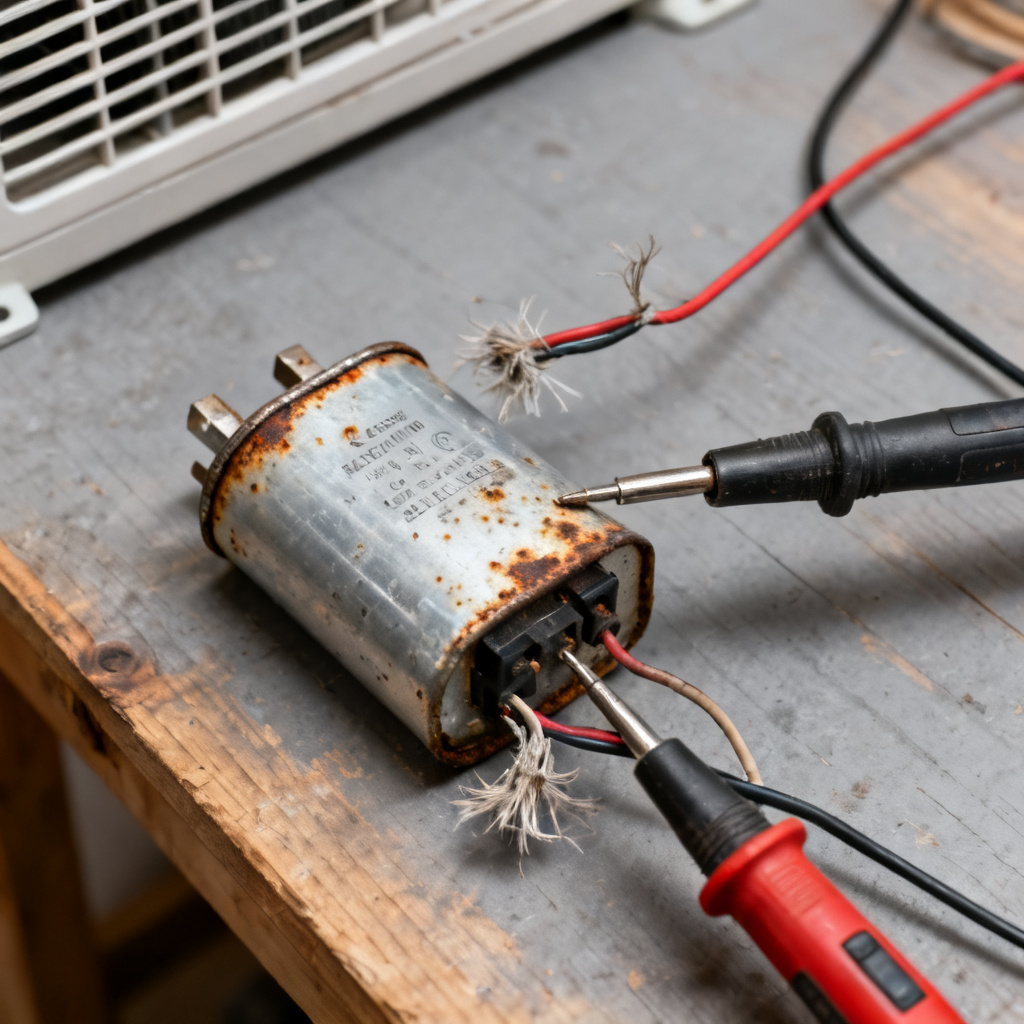
An AC capacitor (also known as capacitor de aire acondicionado) is a small but essential component that stores and releases electrical energy to start and run your system.
It supports:
- The compressor
- The condenser fan motor
- The blower motor
Without a functioning capacitor, your AC may not turn on—or may stop working suddenly.
How an AC Capacitor Works
Think of a capacitor as a quick energy booster.
It:
- Delivers the initial jolt needed to start the system
- Helps maintain consistent operation
- Supports electrical stability
When it weakens, your system struggles to function properly.
⚠️ Common Signs of AC Capacitor Problems
If you’re experiencing any of the following, you may be dealing with AC capacitor problems:
- AC takes longer to start
- Clicking sound when turning on
- Warm air instead of cool air
- System shuts off randomly
- AC won’t turn on at all
👉 These are early warning signs that should not be ignored.
Quick Symptom Guide
| Symptom | Likely Issue |
| AC won’t start | Failed capacitor |
| Humming noise | Weak capacitor |
| Intermittent cooling | Capacitor losing charge |
| Sudden shutdown | Electrical instability |
Why Capacitors Fail (Especially Before Summer)
Capacitors are highly sensitive to heat and electrical stress.
In climates like Houston, common causes include:
- 🌡️ High outdoor temperatures
- ⚡ Power fluctuations
- ⏳ Natural wear over time
- 🔁 Frequent system cycling
Spring is when many capacitor issues begin to appear—right before peak demand.
Why You Should Replace a Failing Capacitor Early
Delaying replacement can lead to:
- Complete AC system failure
- Damage to compressor or fan motor
- Higher repair costs
- Emergency service calls during extreme heat
👉 A relatively low-cost repair can prevent major system breakdowns.
Can You Replace an AC Capacitor Yourself?
Although it may seem like a simple fix, replacing an AC capacitor involves:
- High-voltage components
- Risk of electrical shock
- Proper sizing and compatibility
⚠️ Professional installation is strongly recommended.
Cost vs Risk: Why Timing Matters
| Scenario | Outcome |
| Early capacitor replacement | Low cost |
| Delayed replacement | Higher repair cost |
| System failure | Expensive emergency repair |
👉 Acting early always saves money.
Are Capacitor Issues a Sign of Bigger Problems?
Sometimes, yes.
AC capacitor problems can be linked to:
- Poor airflow
- Overworked HVAC system
- Electrical imbalances
- Dirty components
👉 Many HVAC systems operate at only 55%–70% capacity, which increases stress on electrical parts like capacitors.
Preventive Maintenance Tips
To reduce the risk of capacitor failure:
- Schedule seasonal HVAC inspections
- Keep air filters clean
- Ensure proper airflow
- Address minor issues early
Preventive care helps extend the life of your system.
Don’t Wait for Your AC to Stop Working
If your system is showing signs of failure, now is the time to act.
📞 Schedule your AC inspection in Houston today
📅 Replace failing components before summer heat pushes your system to the limit
At Cool Techies, we focus on diagnosing the full system—not just the symptom.
FAQs
1. What happens if an AC capacitor fails?
Your system may not start or may shut down unexpectedly.
2. How long does an AC capacitor last?
Typically between 5–10 years, depending on usage and climate conditions.
3. Is capacitor replacement expensive?
No, it’s usually one of the most affordable HVAC repairs—especially if done early.
By Calixto Armas