Your HVAC system may be working harder than it should—and your ductwork could be the reason why.
In many Houston homes, hidden duct leaks and inefficiencies lead to significant energy loss, uneven cooling, and rising utility bills. A spring ductwork inspection helps identify these issues before peak summer demand puts extra strain on your system.
Why Your Ductwork Matters More Than You Think
Your ductwork is responsible for distributing conditioned air throughout your home.
If there are leaks, gaps, or poor design:
- Air escapes before reaching your rooms
- Cooling becomes inconsistent
- Your system works longer and harder
👉 Even a high-efficiency HVAC system can underperform if the ductwork isn’t properly sealed and balanced.
How Leaky Ducts Increase Energy Bills
Leaky ductwork directly impacts your energy consumption.
Here’s how:
- 🔻 Conditioned air escapes into attics or walls
- 🔄 Your system runs longer to compensate
- ⚡ Energy usage increases without improving comfort
In some cases, homes can lose 20% to 30% of cooled air due to duct leaks.
That’s money literally disappearing behind your walls.
Signs You May Have Ductwork Issues
Most duct problems are hidden—but the symptoms are not.
Watch for:
- Uneven temperatures between rooms
- Hot or cold spots in your home
- Weak airflow from vents
- Higher energy bills without clear cause
- Excess dust indoors
These are strong indicators that your ductwork may need inspection.
Why Spring Is the Best Time for a Ductwork Inspection
Spring is the ideal time to evaluate your ductwork before heavy AC usage begins.
Benefits of scheduling early:
- 🛠️ Easier scheduling before peak HVAC season
- 🌡️ Moderate temperatures for accurate testing
- 💸 Prevent higher summer energy costs
- ⚠️ Fix issues before system strain increases
Once summer hits in a city like Houston, your HVAC system runs almost nonstop—making efficiency critical.
What Happens During a Professional Ductwork Inspection
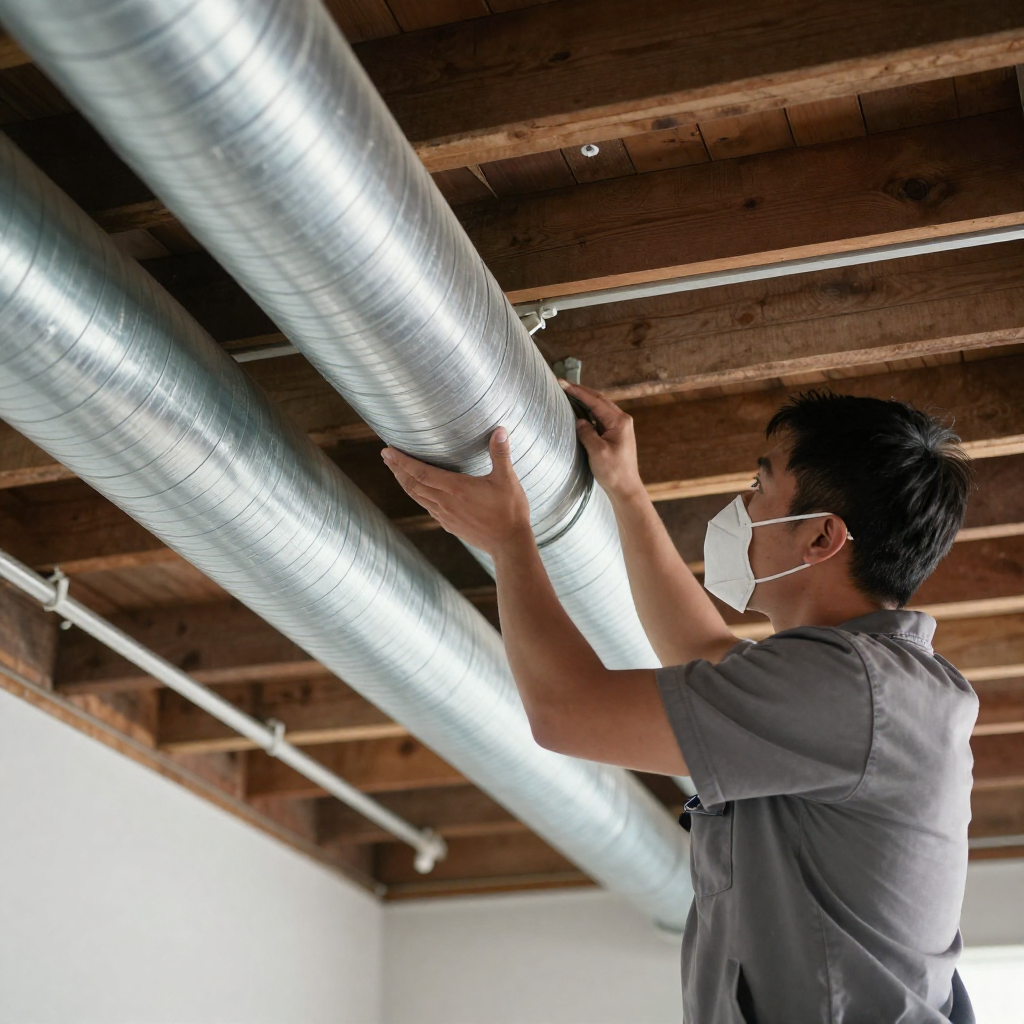
A proper ductwork inspection goes far beyond a quick visual check.
Professionals typically:
- Inspect ducts for leaks, gaps, and disconnections
- Measure airflow and pressure
- Check insulation around ducts
- Identify design inefficiencies
- Evaluate overall system balance
This process helps pinpoint exactly where energy loss is happening.
Common Causes of Ductwork Problems
Duct issues can develop over time or be present from installation.
Common causes include:
- Poor initial duct design
- Aging or deteriorating materials
- Improper sealing
- Lack of insulation
- Renovations that disrupt duct layout
In many homes, problems go unnoticed for years.
The Real Cost of Ignoring Duct Issues
Ignoring ductwork problems can lead to:
- Higher monthly energy bills
- Reduced HVAC lifespan
- Poor indoor comfort
- Increased wear and tear on components
👉 Over time, these costs can exceed the price of repairs or improvements.
Solutions After a Ductwork Inspection
Depending on the findings, solutions may include:
- Sealing leaks
- Reconnecting disconnected ducts
- Adding insulation
- Redesigning inefficient sections
- Balancing airflow
These improvements can significantly boost efficiency without replacing your HVAC system.
Ductwork vs HVAC Unit: Where Should You Invest?
Many homeowners think upgrading the HVAC unit is the solution.
But often:
- The system is functioning properly
- The issue lies in the ductwork
Fixing duct problems can deliver immediate improvements in comfort and cost savings.
Improve Efficiency Before Summer Hits
If your energy bills are rising or your home isn’t cooling evenly, your ductwork may be the hidden problem.
📞 Schedule your ductwork inspection in Houston today
📅 Identify leaks, improve airflow, and lower your energy bills before peak season
At Cool Techies, we evaluate the full system—not just the equipment.
FAQs
1. How do I know if my ductwork is leaking?
Signs include uneven cooling, high energy bills, and weak airflow from vents.
2. How often should ductwork be inspected?
Every 2–3 years, or sooner if you notice performance issues.
3. Can duct sealing really save money?
Yes. Properly sealed ducts can significantly reduce energy loss and improve efficiency.
By Calixto Armas