Choosing an HVAC service Houston homeowners can trust involves more than finding someone who can repair an air conditioner or restore heating. It also means knowing whether the recommendations you receive are based on an accurate diagnosis, your home’s actual needs, and the condition of your equipment.
When an HVAC technician visits your property, you expect clear answers about what’s happening with your system and what needs to be done. However, not every recommendation automatically means you need a major repair or a complete equipment replacement.
Understanding what a professional HVAC evaluation should include can help you make informed decisions, avoid unnecessary expenses, and protect your home’s comfort throughout Houston’s changing weather conditions.
What Should a Professional HVAC Service Houston Include?
A reliable HVAC service should begin with an evaluation, not an immediate sales pitch.
Whether you’re experiencing uneven temperatures, unusual noises, poor airflow, or higher energy bills, the technician should first investigate the symptoms and identify their possible causes.
A comprehensive HVAC assessment may include:
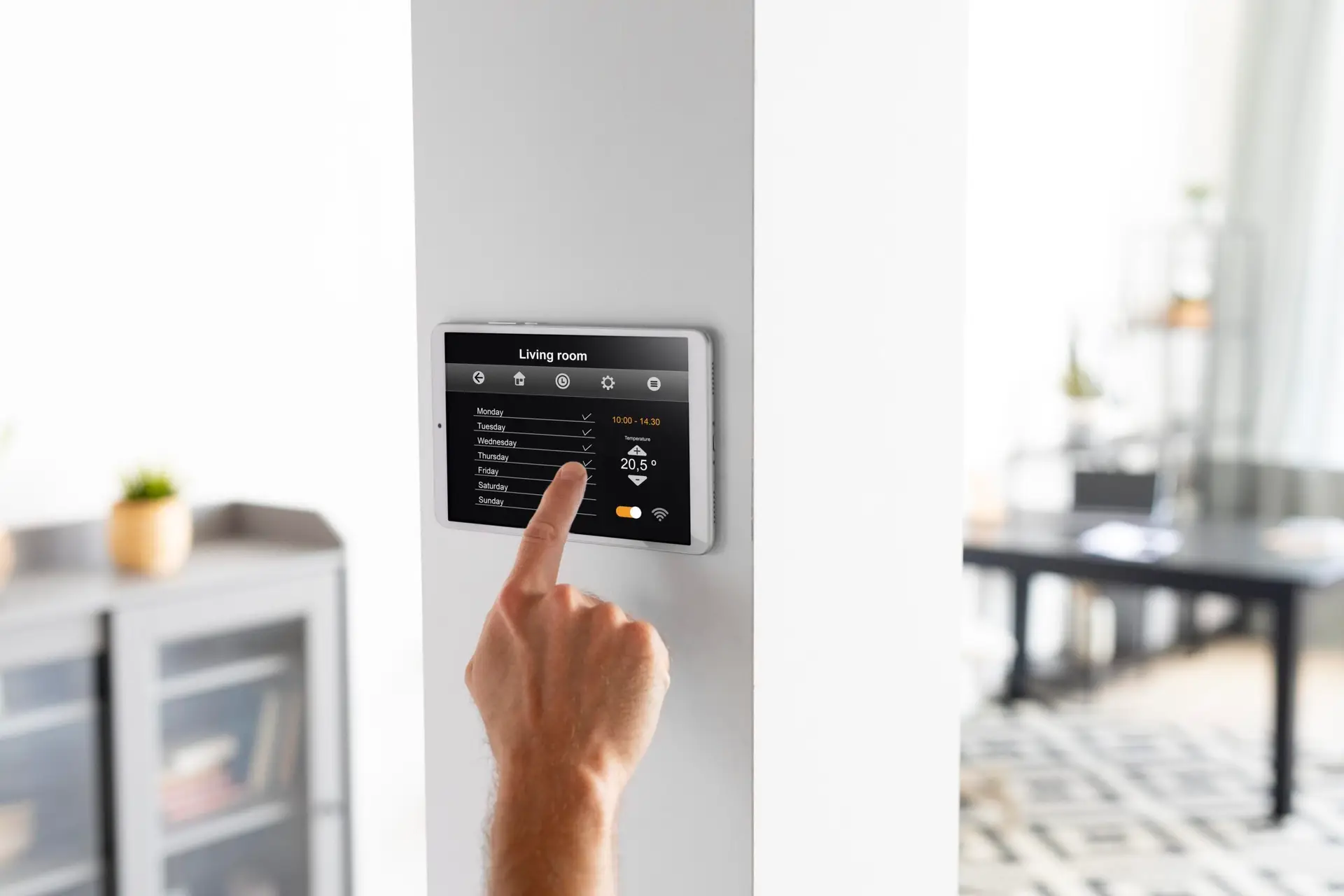
- Thermostat inspection: Checking settings, operation, and communication with the HVAC equipment.
- Air filter evaluation: Identifying restrictions that could affect airflow and system performance.
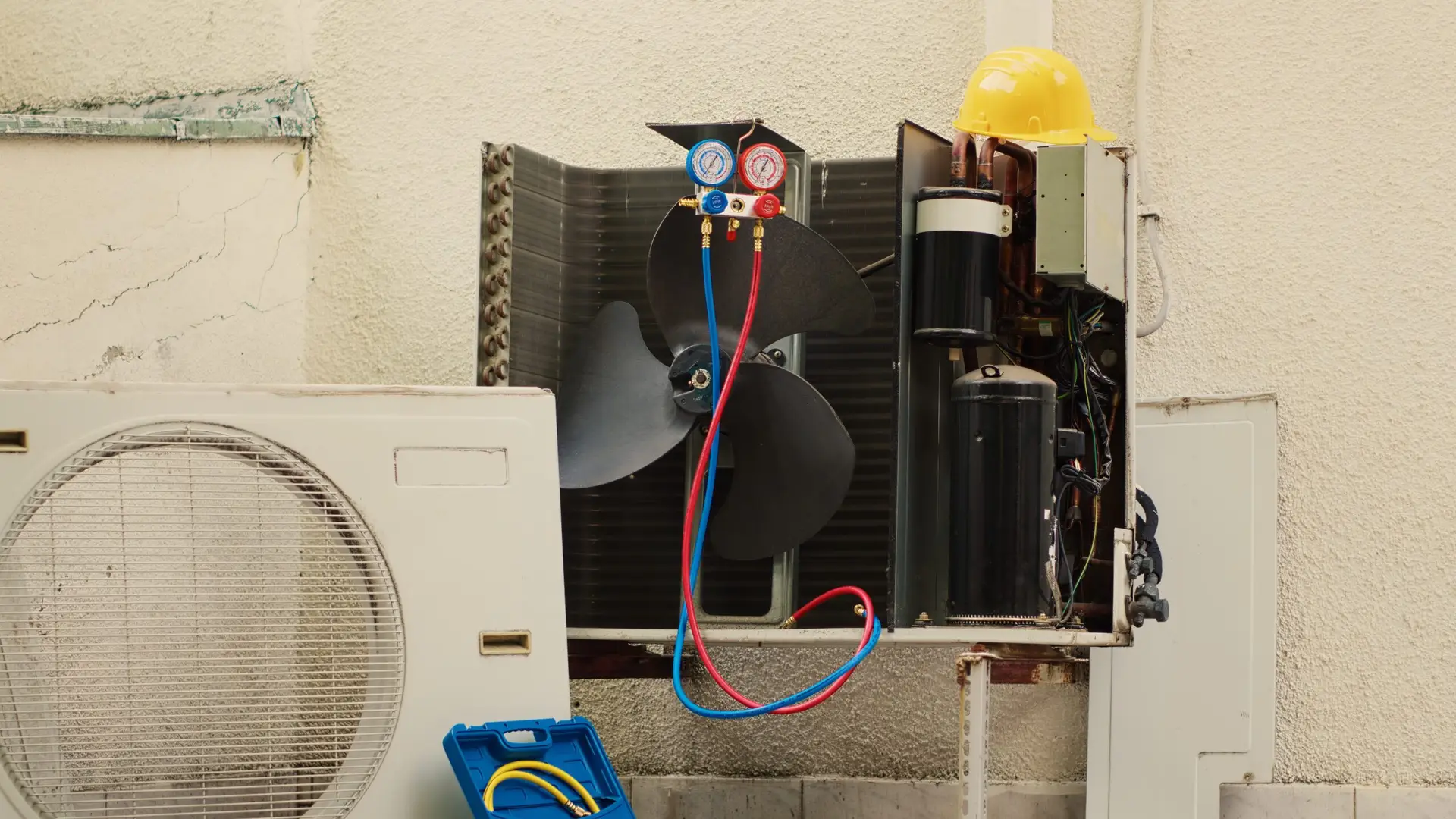
- Electrical component inspection: Checking connections, capacitors, contactors, and other relevant components.
- Evaporator and condenser coil inspection: Looking for dirt accumulation or conditions that could affect heat transfer.
- Refrigerant system evaluation: Checking operating conditions and investigating possible leaks when indicated.
- Drainage inspection: Evaluating the condensate drain system to identify blockages or water-related concerns.
- Airflow assessment: Checking whether air is circulating properly through the equipment and ductwork.
Not every service visit requires the same inspection procedures. The technician should tailor the evaluation to your equipment, reported symptoms, and service needs.
The important distinction is that recommendations should follow an actual assessment rather than assumptions.
5 Signs You’re Getting the Right HVAC Recommendations
How can you tell whether a technician is providing useful advice? Look for these five indicators.
1. The Technician Explains the Problem Before Recommending a Solution
A professional should be able to explain what was inspected, what was found, and how that condition affects your HVAC system.
For example, if your air conditioner isn’t cooling properly, several issues could be responsible:
- Restricted airflow.
- Dirty evaporator or condenser coils.
- Refrigerant leaks.
- Electrical component failures.
- Ductwork problems.
- Incorrect thermostat settings.
Simply recommending a new air conditioning system without investigating these possibilities may overlook a repairable issue.
Ask the technician to explain the diagnosis in plain language. You don’t need to understand every technical detail, but you should know why a particular service is being recommended.
2. Recommendations Are Supported by Measurements and Findings
Good HVAC decisions should rely on more than visual impressions.
Depending on the problem, technicians may use temperature readings, airflow measurements, electrical testing, refrigerant pressure readings, or static pressure measurements to evaluate system performance.
For example, if certain rooms receive insufficient airflow, the issue may involve duct restrictions, leakage, improper balancing, or equipment performance.
Replacing the entire HVAC system without investigating the airflow problem could leave the original issue unresolved.
Measurements help establish a clearer picture of what’s happening and provide a technical basis for the recommended solution.
3. You Receive More Than One Possible Solution When Appropriate
Not every HVAC problem requires the most expensive option.
Depending on the system’s condition, a technician may identify several possible approaches:
- A repair that addresses a specific component failure.
- Preventive maintenance to restore or maintain proper operation.
- An airflow or ductwork adjustment.
- A more extensive system upgrade when existing equipment cannot meet the home’s needs.
A trustworthy professional should explain the advantages, limitations, and expected outcomes of each reasonable option.
There are situations where replacement is the most practical decision, particularly when equipment has significant failures or recurring performance problems. However, the recommendation should be supported by the system’s actual condition and your home’s requirements.
4. Costs and Priorities Are Clearly Explained
Before approving additional work, you should understand what is included in the service and what it will cost.
A professional recommendation should distinguish between:
- Immediate repairs that affect system operation or safety.
- Maintenance tasks that help prevent performance problems.
- Improvements that could enhance comfort or efficiency.
- Optional upgrades that are not essential to resolving the current issue.
Ask for a written estimate that identifies the recommended work, associated costs, and any relevant warranties.
The Air Conditioning Contractors of America (ACCA) provides maintenance guidance emphasizing that contractors should communicate identified deficiencies, recommended corrective actions, and their associated costs.
This transparency allows homeowners to understand what they’re paying for and make decisions without unnecessary pressure.
5. The Technician Considers Your Home, Not Just Your Equipment
Your HVAC system doesn’t operate independently of your house.
Factors such as insulation, windows, ceiling height, ductwork, occupancy, and indoor humidity can influence heating and cooling performance.
For example, if your upstairs bedrooms remain warmer than the rest of the house, installing a larger air conditioner may not be the correct solution.
The problem could involve duct design, insufficient airflow, inadequate insulation, or excessive heat gain.
When equipment replacement is being considered, a professional should evaluate the home’s heating and cooling requirements rather than simply selecting a new unit based on the size of the existing equipment.
A load calculation following ACCA Manual J principles can help determine the appropriate system capacity.
HVAC Repair or Replacement: How Do You Know What’s Best?
One of the most important decisions homeowners face is whether to repair an existing HVAC system or invest in new equipment.
There isn’t one answer that works for every property.
Before recommending replacement, a technician should consider several factors:
| Factor | What to Evaluate |
| Equipment age | How long has the system been operating? |
| Repair history | Are failures becoming more frequent? |
| Repair costs | Is the repair economically reasonable? |
| System performance | Can the equipment maintain comfortable temperatures? |
| Energy consumption | Has efficiency declined or usage increased? |
| Equipment condition | Are major components deteriorating? |
A relatively new system with an isolated component failure may be a good candidate for repair.
On the other hand, older equipment with recurring failures, significant efficiency limitations, or major component problems may justify evaluating replacement.
The right recommendation should consider both immediate costs and long-term operating expectations.
Questions to Ask Before Approving an HVAC Service
You don’t have to be an HVAC expert to participate in decisions about your home’s comfort.
Asking a few straightforward questions can help you understand the proposed work and evaluate whether it makes sense.
Consider asking:
- What exactly is causing the problem?
- What tests or measurements support this diagnosis?
- Is repair possible, or is replacement necessary? Why?
- What happens if I postpone this recommendation?
- Are there alternative solutions?
- What is included in the estimate?
- Will this repair address the underlying issue or only its symptoms?
A professional should be comfortable answering these questions and explaining the reasoning behind the proposed work.
Why Does Choosing the Right HVAC Contractor Matter in Houston?
Houston homeowners face demanding cooling conditions for much of the year. Long periods of heat, high humidity, and changing seasonal temperatures place considerable demands on residential HVAC equipment.
A contractor who focuses exclusively on replacing parts or selling new systems may overlook issues affecting the home’s overall performance.
A performance-based approach considers the entire HVAC system, including equipment, airflow, ductwork, and indoor environmental conditions.
This is particularly important when homeowners experience recurring problems that don’t seem to disappear after individual repairs.
Working with a qualified HVAC professional helps ensure that recommendations are based on the property’s actual needs and that solutions address the underlying cause whenever possible.
Get Clear Answers About Your HVAC System With Cool Techies
Your home deserves more than a quick diagnosis and a list of expensive upgrades. It deserves an HVAC service approach focused on understanding your system, identifying performance issues, and explaining practical solutions.
At Cool Techies, we believe informed homeowners make better decisions. Our approach considers equipment performance, airflow, indoor comfort, and the specific conditions affecting your HVAC system.
Whether you need routine maintenance, troubleshooting, an AC repair, or guidance about replacing your equipment, our team is ready to help.
Looking for reliable HVAC service in Houston? Call Cool Techies at 832-400-5730 to schedule an evaluation and get recommendations based on your home’s needs.
Frequently Asked Questions
1. How do I know if an HVAC technician is recommending unnecessary repairs?
Ask for an explanation of the diagnosis, supporting measurements when applicable, and a written estimate. A professional should be able to explain why a repair is necessary, what happens if the problem isn’t addressed, and whether other solutions are available.
2. Should I replace my HVAC system if it needs frequent repairs?
Not necessarily. The decision depends on equipment age, repair history, efficiency, operating condition, and the cost of additional repairs. An HVAC professional should evaluate these factors before recommending replacement.
3. How often should I schedule HVAC maintenance in Houston?
Most residential systems benefit from professional maintenance at least twice a year, ideally before the main cooling and heating seasons. Your equipment manufacturer’s recommendations and the system’s operating conditions should also guide the maintenance schedule.
By Calixto Armas