Furnace maintenance Houston homeowners schedule before the first cold front can help identify problems that may have developed while the heating system was inactive. In a city where air conditioning often gets more attention than heating, it is easy to forget about the furnace until temperatures suddenly drop.
But a furnace that has not operated regularly for months should not be expected to perform perfectly without a proper check.
Before winter arrives, homeowners should pay attention to the air filter, thermostat, airflow, unusual sounds, and signs of inconsistent operation. A professional maintenance visit can also evaluate important components related to safe and reliable heating.
The goal is simple: understand the condition of your furnace before you depend on it to keep your home comfortable.
Why Should You Schedule Furnace Maintenance Houston?
Houston’s heating season is different from the winter experienced in colder regions. Heating systems may remain unused for extended periods, then operate when a cold front brings a sudden temperature drop.
This pattern can make it easy to overlook maintenance.
A furnace may appear to be in good condition while sitting idle, but problems can become noticeable when the system starts operating again.
For example, a dirty filter may restrict airflow, a thermostat may not communicate correctly, or a component may show signs of wear that were not apparent during the warmer months.
Scheduling furnace maintenance before the first significant cold front gives homeowners an opportunity to identify these issues in advance.
It also provides a chance to have important operating and safety-related components evaluated by a qualified HVAC technician.
What Does a Furnace Maintenance Inspection Include?
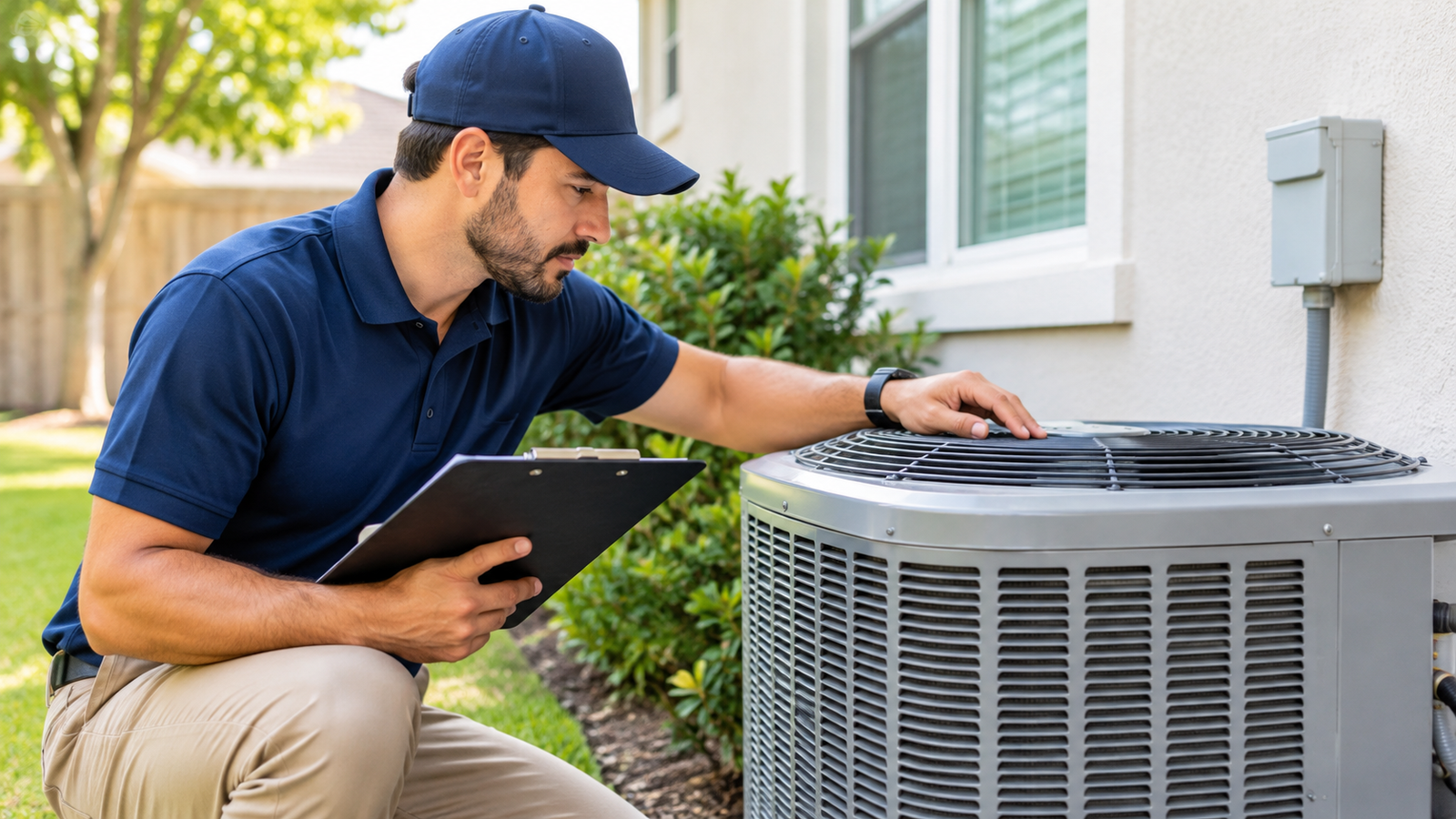
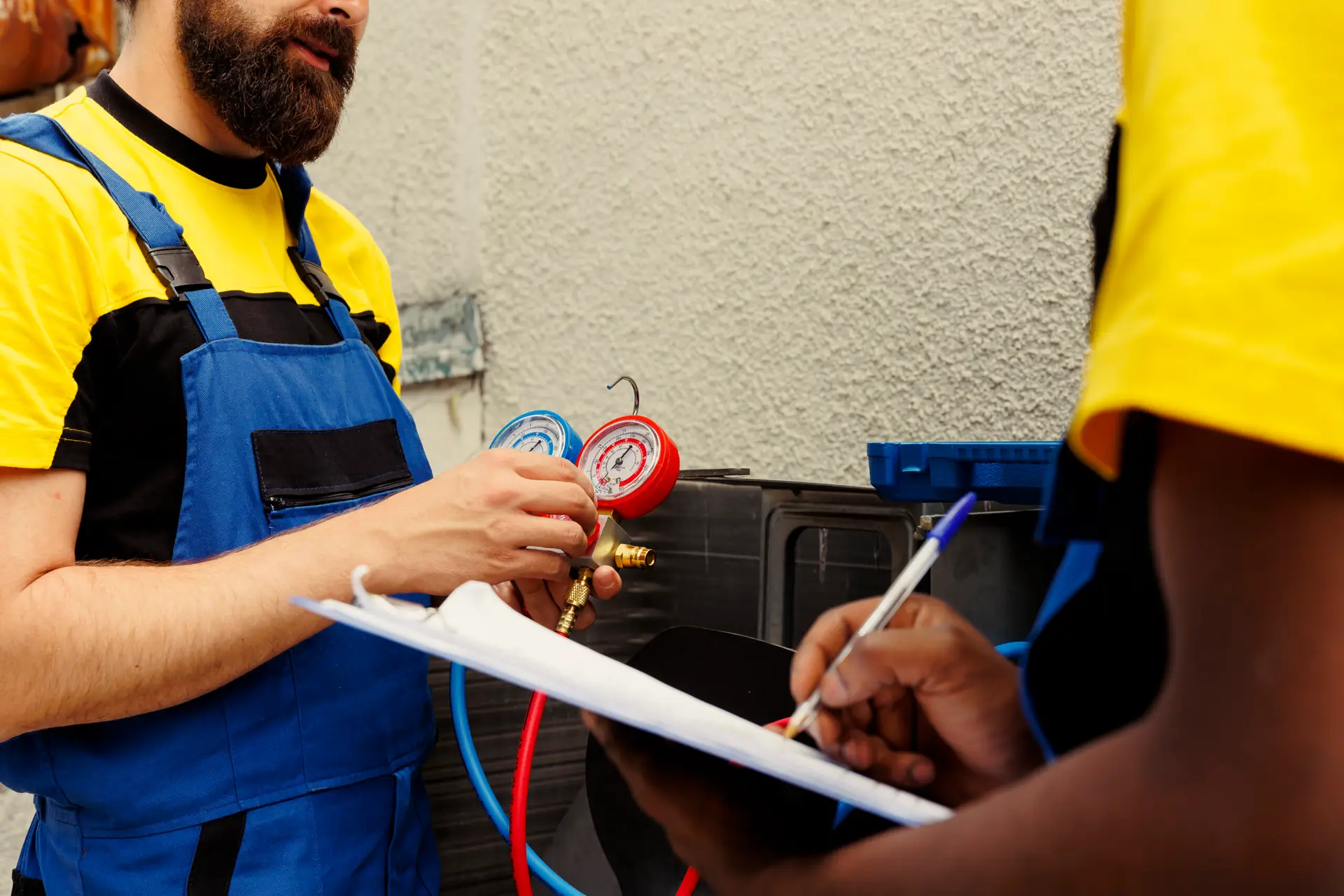
A furnace inspection should consider the equipment’s condition, operation, and safety. The exact procedures depend on the furnace type, manufacturer, and system configuration.
Here are some of the areas a technician may evaluate.
1. Air Filter and Airflow
A restricted air filter can affect how air moves through the heating system.
When airflow is reduced, the furnace may not distribute heat as intended. Depending on the equipment, restricted airflow can also contribute to operating problems.
The technician can check the filter and assess whether there are signs of airflow restrictions.
Homeowners should also make sure supply and return vents are not blocked by furniture, rugs, or other objects.
2. Ignition and Burner Operation
Gas furnaces use an ignition system and burners to produce heat.
A technician can inspect the relevant components and evaluate whether the furnace starts and operates as intended.
If the furnace struggles to ignite, shuts down unexpectedly, or repeatedly attempts to start, it may need further diagnosis.
These are not issues homeowners should attempt to repair themselves. Gas and combustion-related components require appropriate professional knowledge and safety procedures.
3. Heat Exchanger Condition
The heat exchanger is an important component in a gas furnace. It transfers heat from the combustion process to the air circulating through the home.
Its condition matters because damage or deterioration can create serious safety concerns.
A professional inspection may include checking accessible areas of the heat exchanger for signs of damage or corrosion, following the equipment manufacturer’s procedures.
Homeowners should not attempt to open or inspect internal furnace components themselves.
4. Venting and Combustion Air
Gas furnaces need appropriate venting and combustion air according to their design.
A technician can evaluate relevant venting components and look for visible obstructions, deterioration, or other conditions that may affect operation.
This is an important part of furnace maintenance because combustion equipment must operate according to its safety requirements.
5. Blower and Electrical Components
The blower helps circulate heated air through the duct system.
A technician may inspect the blower assembly and relevant electrical components, checking for signs of wear or operating problems.
If the system makes unusual noises, starts inconsistently, or produces weak airflow, these symptoms can help guide the diagnostic process.
4 Warning Signs Your Furnace May Need Attention
Even before scheduling maintenance, homeowners can watch for changes in how their heating system operates.
Unusual sounds: Rattling, banging, or persistent mechanical noises may indicate a component that needs inspection.
Inconsistent heating: If some rooms remain cold while others become warm, the issue may involve airflow, ductwork, thermostat controls, or furnace operation.
Frequent cycling: A furnace that repeatedly starts and stops may have a control, airflow, or equipment-related issue that requires diagnosis.
Difficulty starting: If the furnace does not respond consistently when heating is selected, avoid repeatedly resetting it. A technician can identify the underlying cause.
These signs do not automatically mean the furnace needs replacement. They indicate that the system should be evaluated to determine what is happening.
Furnace Maintenance Is Also About Home Safety
Heating equipment deserves attention beyond comfort and performance.
For homes with gas furnaces, proper combustion and venting are important safety considerations. Carbon monoxide is an odorless gas that can be dangerous, and a functioning carbon monoxide detector provides an additional layer of protection.
Homeowners should install and maintain carbon monoxide alarms according to the manufacturer’s instructions and applicable local requirements.
If a carbon monoxide alarm sounds, leave the home and contact emergency services or the appropriate local authorities. Do not assume that opening a window or turning off the furnace is enough to make the situation safe.
Never ignore a suspected gas leak, unusual combustion-related odor, or other warning sign. Leave the area and contact the appropriate emergency or utility service.
Professional furnace maintenance does not replace carbon monoxide alarms, but it is an important part of responsible heating system care.
What Should Houston Homeowners Do Before the Next Cold Front?
A practical approach is to test the heating system before temperatures drop significantly.
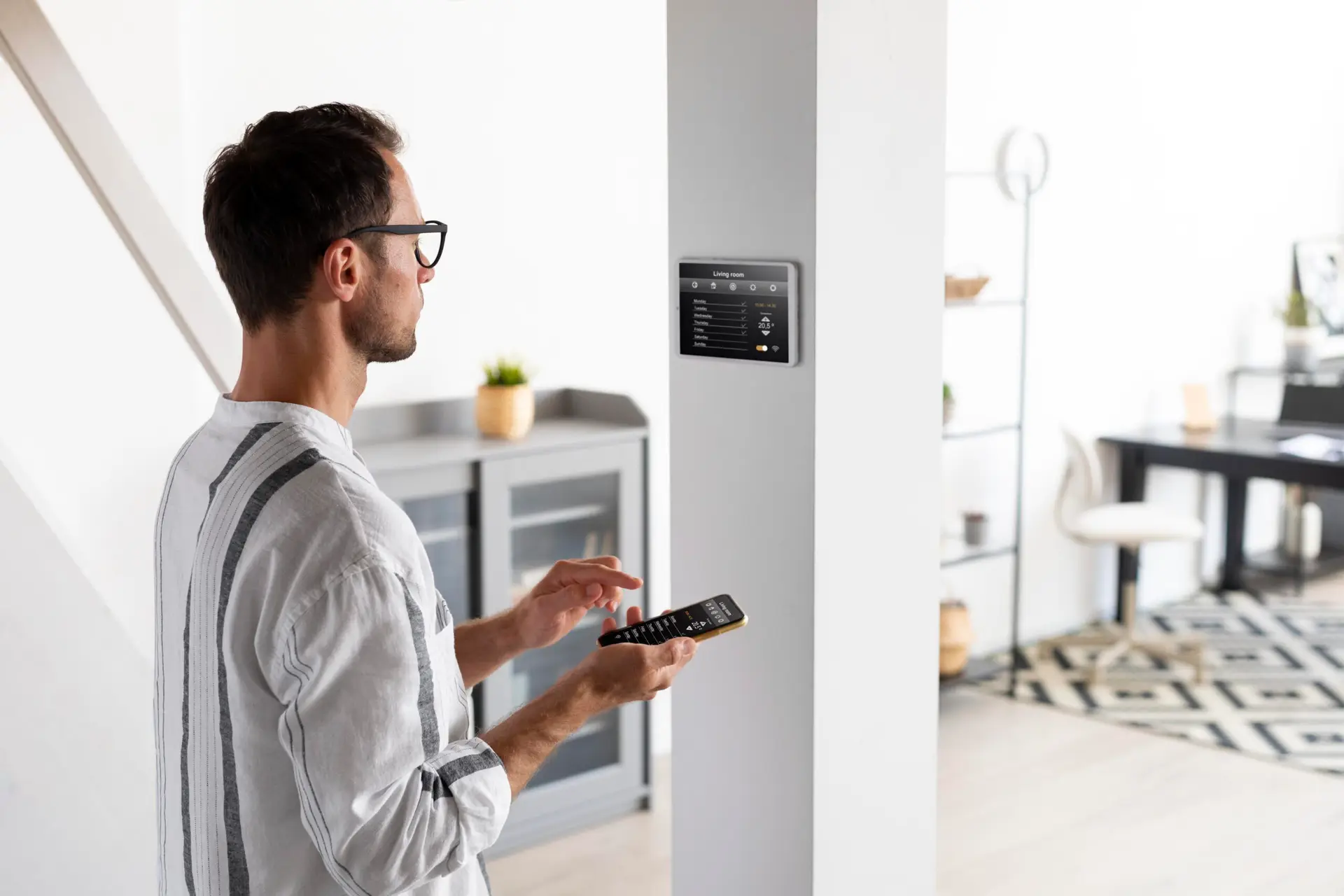
Start by checking the thermostat, replacing the air filter when needed, and making sure vents are unobstructed. Pay attention to how the furnace starts and whether warm air circulates consistently.
If the system has not been inspected recently, schedule a professional evaluation before relying on it during colder weather.
Cool Techies can help Houston-area homeowners assess furnace condition, investigate performance concerns, and prepare their heating systems for seasonal use.
Call 832-400-5730 to schedule service before the next cold front arrives.
Frequently Asked Questions
How often should a furnace be serviced in Houston?
Many homeowners schedule professional furnace maintenance once a year, ideally before the heating season. The manufacturer’s recommendations and the equipment’s condition should guide the maintenance schedule.
Should I schedule furnace maintenance if I barely use my heater?
Yes. Limited use does not eliminate the need for maintenance. Components can deteriorate or develop issues while equipment is inactive, and a seasonal inspection can help identify concerns before the furnace is needed.
What should I do if my furnace smells strange when I turn it on?
A brief dusty smell may occur when heating equipment starts after months of inactivity. However, a persistent burning smell, smoke, gas odor, or carbon monoxide alarm should never be ignored. Turn off the equipment if safe, leave the home when there is a potential safety concern, and contact the appropriate professional or emergency service.
By Hilmar Márquez