HVAC efficiency Houston homeowners should pay attention to doesn’t depend only on the age or energy rating of their equipment. It also depends on how well the entire system performs under real home conditions. And during fall, when Houston temperatures can shift between warm afternoons and cool mornings, hidden inefficiencies can become easier to overlook.
You may not be running your air conditioner as often as you did in July, but that doesn’t necessarily mean your HVAC system is using energy efficiently. Poor airflow, duct leaks, incorrect thermostat settings, and neglected maintenance can all increase operating costs without necessarily making your home more comfortable.
So, what affects HVAC efficiency in Houston homes? Several factors work together: equipment condition, airflow, ductwork, insulation, thermostat settings, and the way your system responds to changing outdoor temperatures.
Fall in Houston: A Season of Changing HVAC Demands
October and November can be unpredictable in the Houston area. You might need air conditioning in the afternoon, but prefer a little heat when temperatures drop overnight.
This constant adjustment can make HVAC operation less straightforward.
For homeowners and property managers, fall is a useful time to evaluate how the system responds to changing conditions. Does it cool evenly? Does it maintain comfortable temperatures without running excessively? Are certain rooms consistently warmer or colder than others?
These details matter because an HVAC system can consume energy without delivering the comfort you expect.
The goal isn’t simply to run the equipment less. It’s to make sure the system uses energy effectively whenever it operates.
HVAC Efficiency Houston: Where Is Your Energy Going?
When energy bills seem higher than expected, the first instinct is often to blame the HVAC unit. But the equipment itself may not be the only source of the problem.
Here are four areas worth evaluating.
1. Airflow Restrictions
Your HVAC system needs proper airflow to transfer conditioned air throughout the home.
Dirty filters, blocked return vents, restricted ductwork, or other airflow problems can make the system work harder than necessary. They may also contribute to uneven temperatures and longer operating cycles.
A filter is a good place to start. However, if replacing it doesn’t improve airflow or comfort, the issue may require a more thorough evaluation.
2. Leaky or Poorly Designed Ductwork
Ductwork plays a major role in overall HVAC performance.
If conditioned air escapes through leaks before reaching the rooms where it’s needed, your system may use energy without delivering the expected results. Poor duct design or airflow imbalances can create similar problems.
This is particularly important in larger Houston homes, where some rooms may be farther from the main equipment or have different heating and cooling demands.
An evaluation of duct condition and airflow can help identify whether the distribution system is affecting efficiency.
3. Thermostat Settings That Don’t Match Your Routine
Fall weather often encourages homeowners to adjust thermostat settings throughout the day.
There’s nothing wrong with making adjustments, but frequent changes without a consistent strategy can make comfort harder to manage. Programmable or smart thermostats can help align HVAC operation with occupancy and daily routines.
For property managers, consistent temperature settings across occupied spaces can also help reduce unnecessary system operation while maintaining reasonable comfort.
4. Insulation and Air Leaks
Your HVAC system doesn’t operate independently of the building.
If conditioned air escapes through gaps around doors, windows, attic access points, or other openings, the system has to compensate for that loss. Inadequate insulation can also make indoor temperatures harder to maintain.
Even an efficient HVAC unit may struggle when the building envelope allows too much heat transfer.
That’s why evaluating insulation and air leakage can be an important part of an energy-efficiency strategy.
Is Your HVAC System Efficient? Look Beyond the Energy Bill
A higher utility bill can be a warning sign, but it doesn’t tell the whole story.
To understand whether your HVAC system is performing efficiently, consider the relationship between energy consumption and indoor comfort.
For example:
- High energy use with uneven temperatures: Airflow, ductwork, or insulation may need attention.
- Long operating cycles: The system may be struggling with airflow, equipment performance, or the home’s heating and cooling demands.
- Frequent temperature adjustments: Your thermostat schedule may not match your household’s routine.
- Recurring comfort complaints: A room that is always too warm or too cold may indicate a distribution problem.
These patterns don’t automatically identify the cause. They do, however, help determine where a professional evaluation should begin.
The ROI of Improving HVAC Efficiency
Efficiency improvements aren’t just about reducing monthly energy bills. They can also help improve comfort, support more consistent system operation, and identify problems before they become more expensive to address.
Consider the difference between replacing equipment immediately and investigating why the current system isn’t performing as expected.
If the main issue is restricted airflow or duct leakage, replacing the HVAC unit without addressing those conditions may leave the underlying problem unresolved.
On the other hand, if diagnostics reveal equipment deterioration or a system that no longer meets the property’s needs, replacement may deserve consideration.
The smartest investment starts with understanding what is affecting performance.
For homeowners, that means making informed decisions instead of spending money on upgrades that may not solve the actual problem.
For property managers, it means evaluating operating costs, occupant comfort, and system performance together.
Why Fall Is a Good Time for an HVAC Efficiency Assessment
Fall offers an opportunity to review your system before the next major seasonal demand.
Rather than waiting for the first serious cold front or the return of intense summer heat, homeowners can use this transition period to identify inefficiencies and plan improvements.
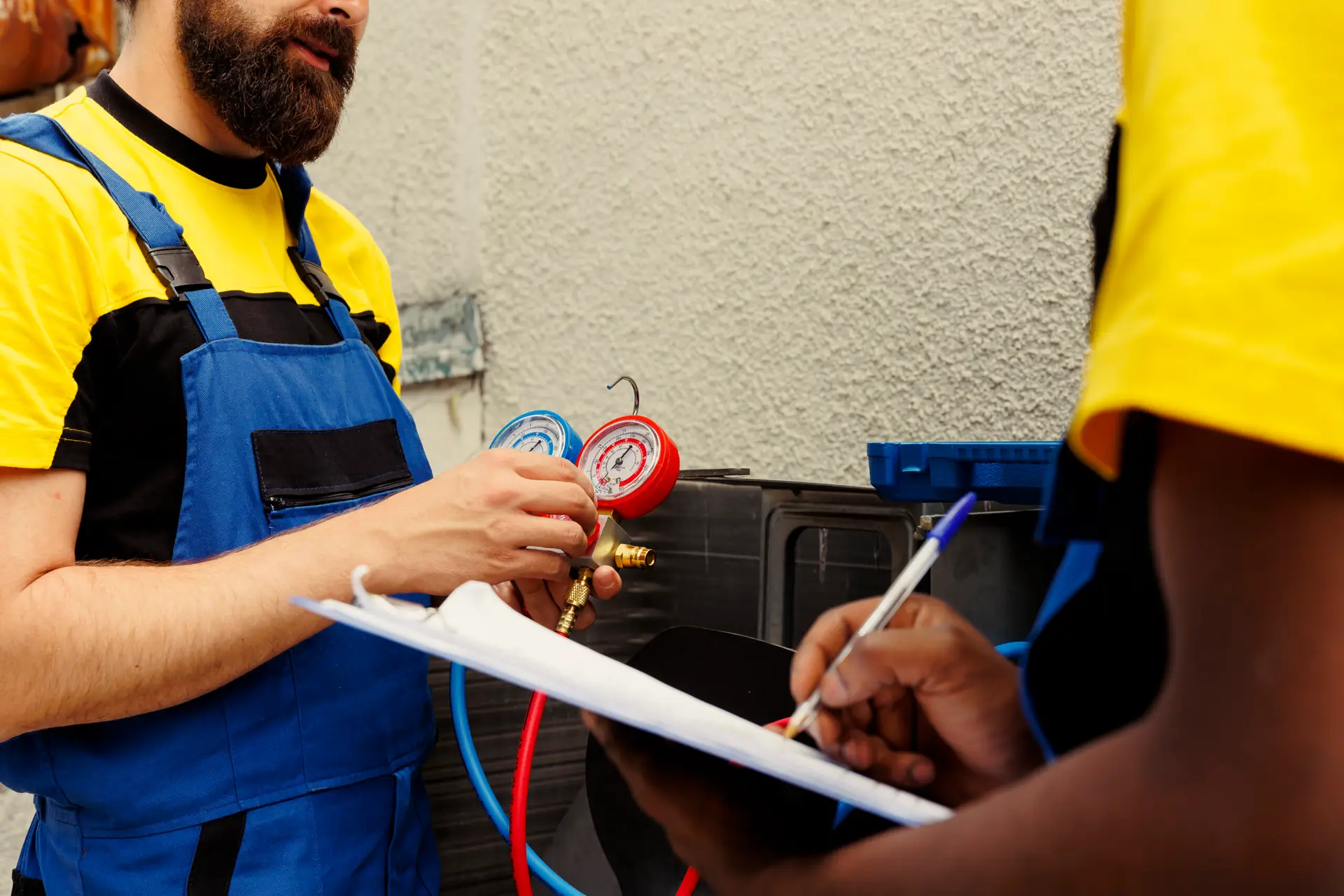
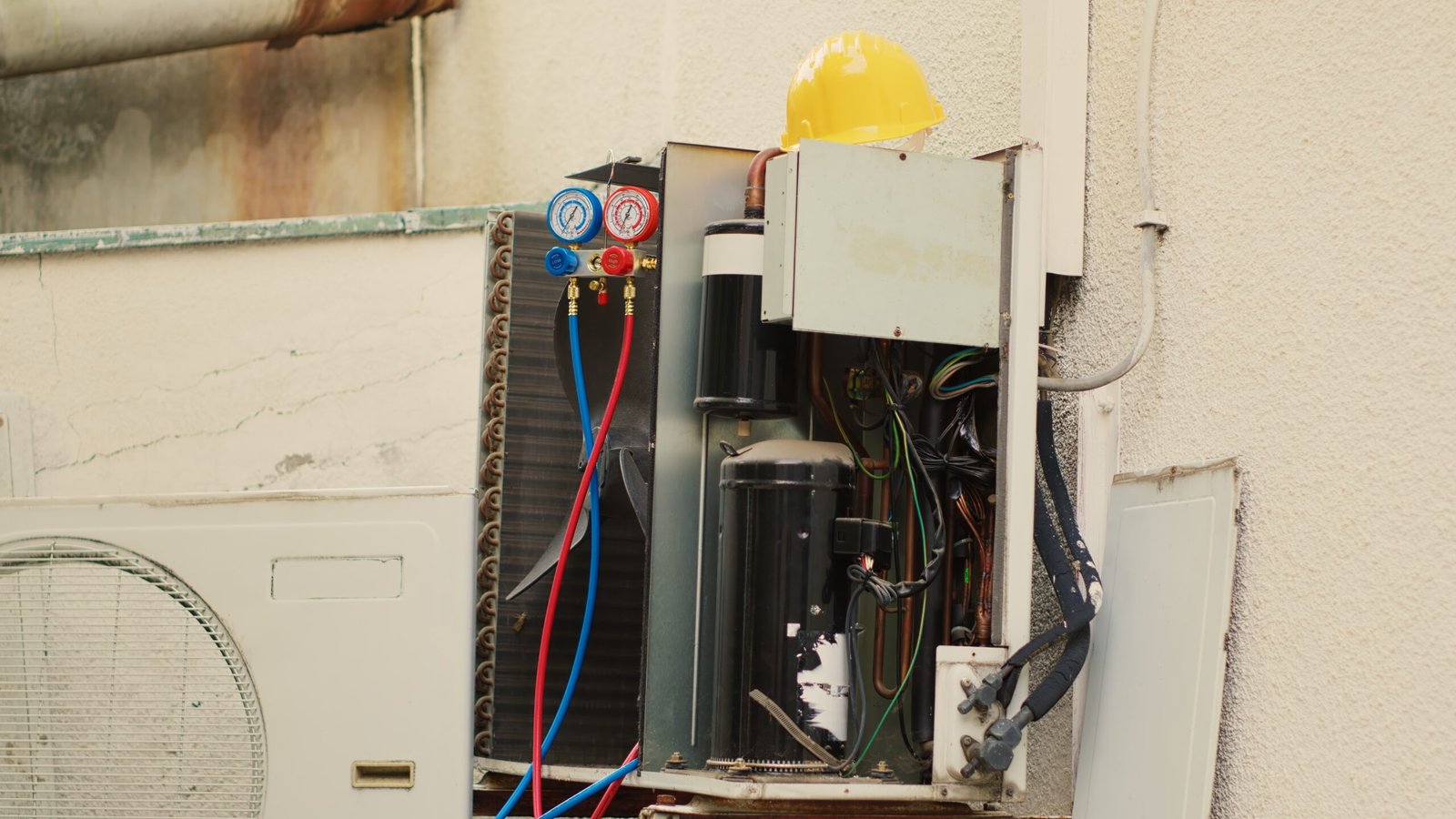
A professional assessment may include reviewing filters, airflow, ductwork, thermostat operation, equipment performance, and other factors affecting the system.
At Cool Techies, the focus is on understanding how the complete HVAC system performs—not simply whether the equipment turns on.
Because sometimes, the biggest efficiency problem isn’t the unit. It’s everything that affects how the unit works.
Make Your HVAC System Work Smarter This Fall
If your home feels uncomfortable despite regular HVAC operation, or your energy bills don’t seem to match your usage, it may be time to investigate.
HVAC efficiency Houston homeowners can improve starts with identifying where energy is being lost and what is preventing the system from delivering consistent performance.
Don’t assume you need a new unit before understanding the condition of your existing system.
Contact Cool Techies at 832-400-5730 to schedule an HVAC evaluation and find opportunities to improve comfort and system performance.
Frequently Asked Questions
What affects HVAC efficiency in Houston homes?
HVAC efficiency can be affected by equipment condition, restricted airflow, duct leaks, insulation, air leaks, thermostat settings, and maintenance. Evaluating these factors together provides a clearer picture of system performance.
Why does my HVAC system use more energy in fall?
Changing outdoor temperatures can lead to more frequent adjustments between heating and cooling. Dirty filters, ductwork problems, thermostat settings, and equipment issues can also contribute to unnecessary energy use.
Can ductwork problems increase my energy bills?
Yes. Leaky, damaged, or poorly designed ductwork can prevent conditioned air from reaching the rooms where it’s needed. This can reduce comfort and cause the HVAC system to work harder to maintain the desired temperature.
By Calixto Armas