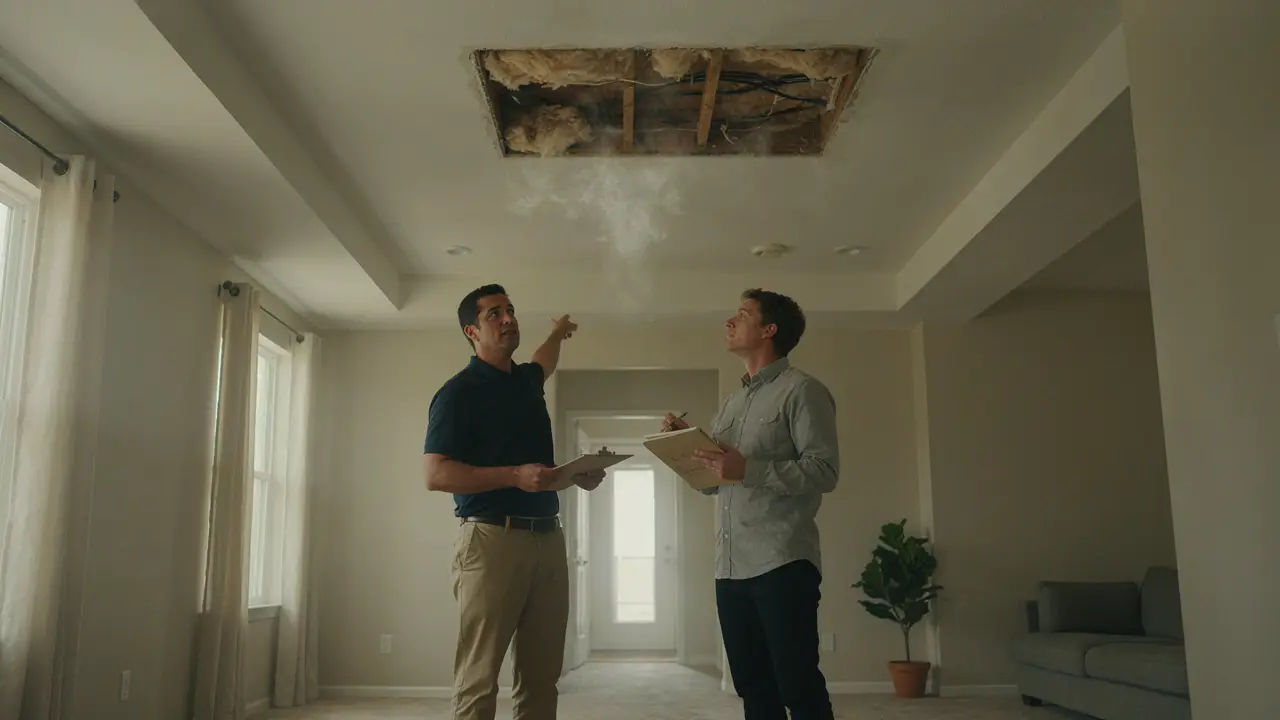
An HVAC inspection Houston homebuyers can rely on is an important part of the home-buying process. Buying a home in Houston means looking beyond the kitchen, bathrooms, and curb appeal. The HVAC system deserves just as much attention—especially in a climate where your heating and cooling system can run for much of the year.
A home may look move-in ready while its HVAC system is aging, inefficient, poorly maintained, or experiencing problems that aren’t obvious during a standard walkthrough.
That’s why an HVAC inspection in Houston can be an important part of your home-buying process.
But what should an HVAC inspection include before buying a home? And what should you do if the inspection reveals a problem?
What Should an HVAC Inspection Houston Include Before Buying a Home?
A professional HVAC inspection should go beyond checking whether the air conditioner turns on.
A thorough evaluation should consider the condition, operation, and performance of the system, including:
- HVAC equipment and overall condition
- Electrical components
- Airflow
- Refrigerant-related issues
- Thermostat and controls
- Indoor and outdoor units
- Condensate drainage
- Ductwork and visible connections
- Filters and air distribution
- Signs of water damage or corrosion
- Unusual noises or system behavior
- Age and maintenance history when available
The objective is to understand how the system is performing today and identify issues that could require attention after you move in.
Why Is an HVAC Inspection Important for Houston Homebuyers?
Houston puts significant demands on residential HVAC systems.
Long, hot summers mean an air conditioning system may operate extensively to maintain indoor comfort. If the equipment is already struggling, a homebuyer could inherit repair or replacement costs shortly after closing.
An HVAC inspection can help you identify potential concerns before they become an unexpected post-purchase expense.
For example, an inspection may reveal that:
- The system is approaching the end of its expected service life.
- The equipment has significant wear or corrosion.
- Airflow is restricted.
- Ductwork has leaks or other deficiencies.
- The system isn’t maintaining consistent temperatures.
- Electrical components need attention.
- The equipment is operating but not performing efficiently.
- Previous repairs may indicate recurring problems.
Not every finding means you should walk away from a property. It gives you information you can use when discussing the home’s condition with the appropriate professionals involved in your transaction.
Don’t Judge an HVAC System by Its Age Alone
One of the most common questions homebuyers ask is: How old is the HVAC system?
Age matters, but it shouldn’t be the only factor.
Two systems of the same age can have very different conditions depending on installation quality, maintenance, usage, and operating environment.
An older system that has been properly maintained and is performing consistently may require a different approach from an older system with repeated repairs, poor airflow, and declining performance.
That’s why an HVAC inspection should evaluate the system’s current condition and performance, not simply record the manufacture date.
Check the Airflow, Not Just the Temperature
A system can cool a home and still have an airflow problem.
If certain rooms are consistently warmer or cooler than others, the issue may involve ductwork, restrictions, system sizing, insulation, or air distribution.
This is particularly important when buying a home because homeowners often discover comfort problems only after living in the property through different weather conditions.
A professional HVAC evaluation can help identify whether the system is delivering and distributing conditioned air as it should.
What About the Ductwork?
Homebuyers often focus on the visible HVAC equipment and overlook the duct system.
That’s a mistake.
Ductwork plays an important role in moving conditioned air throughout the home. Leaks, restrictions, disconnected sections, poor insulation, or inadequate distribution can affect comfort and system performance.
During an HVAC inspection, visible ductwork and accessible connections should be evaluated for obvious problems.
If the home has significant comfort inconsistencies or airflow concerns, a more detailed assessment may be appropriate.
What If the HVAC System Needs Repairs?
Finding an HVAC problem doesn’t automatically mean the home is a bad investment.
The next step is understanding what the problem is, how significant it is, and what it may take to correct it.
A minor component issue and an aging system requiring major repairs are very different situations.
If an inspection identifies a concern, consider getting a qualified HVAC professional to evaluate the specific issue and provide information about the necessary repair or potential replacement.
This can give you a clearer picture before making decisions about the property.
What If the HVAC System Is Near the End of Its Life?
An older system doesn’t necessarily mean the seller must replace it before closing.
Instead, the buyer should understand the potential implications.
Questions worth asking include:
- How old is the equipment?
- Has it been regularly maintained?
- Are there documented repairs?
- Is the system operating properly?
- Are there airflow or ductwork problems?
- Are major components showing signs of deterioration?
- Could replacement become necessary in the foreseeable future?
Having this information before closing can help prevent unpleasant surprises after you become the homeowner.
Should a Home Inspection Include an HVAC Inspection?
A general home inspection typically evaluates the home’s major systems and components, including HVAC equipment.
However, a general inspection is not necessarily the same thing as a comprehensive HVAC performance evaluation.
If the home inspector identifies a concern—or if the HVAC system is older, has a questionable maintenance history, or shows signs of performance problems—it may be appropriate to have an HVAC professional conduct a more detailed assessment.
This distinction matters.
You don’t want to discover after closing that the system technically “worked” during the inspection but had underlying airflow, ductwork, electrical, or performance issues that weren’t fully evaluated.
Houston Homebuyers: Use the Inspection to Ask Better Questions
Before closing, an HVAC inspection can give you valuable information about one of the home’s most important operating systems.
Instead of asking only, “Does the AC work?”, ask:
How old is the system?
Is it operating properly?
Are there airflow concerns?
Are the ducts in good condition?
Are there signs of previous or recurring repairs?
Are any components showing significant wear?
Does the system appear capable of providing reliable comfort for the home?
The answers can help you understand what you’re actually buying—not just what the house looks like during a showing.
Before You Close, Know What You’re Buying
An HVAC system can represent a significant future expense, particularly in Houston’s demanding climate.
A professional HVAC inspection in Houston can help homebuyers understand the condition and performance of the system before closing and identify issues that may deserve further attention.
At CoolTechies, HVAC evaluation goes beyond simply checking whether the equipment turns on. Looking at equipment condition, airflow, ductwork, and overall system performance can provide a more complete picture of how the HVAC system is functioning.
Buying a home in Houston? Make sure the HVAC system gets the attention it deserves before you close.
FAQs
How much does an HVAC inspection cost in Houston?
The cost of an HVAC inspection can vary depending on the scope of the evaluation, the property, and the HVAC systems involved. Homebuyers should ask what is included in the inspection rather than comparing providers based only on price.
How long does an HVAC inspection take?
The time required depends on the home’s size, the number of HVAC systems, accessibility, and the depth of the evaluation. A more detailed assessment may take longer than a basic operational check.
Should I get an HVAC inspection if the home inspection says the AC is working?
If the HVAC system is older, has a limited maintenance history, or the general home inspection identifies concerns, a dedicated HVAC evaluation may provide additional information about the equipment’s condition and performance.
By Calixto Armas