HVAC UV Light Houston solutions have become increasingly popular among homeowners looking to improve indoor air quality and create a healthier living environment. As concerns about airborne contaminants, allergens, mold, and bacteria continue to grow, many homeowners are exploring advanced HVAC technologies that go beyond heating and cooling.
In a city like Houston, where humidity levels remain high for much of the year, indoor air quality can become a significant concern. Excess moisture creates conditions that may contribute to mold growth and microbial buildup inside HVAC systems, potentially affecting both comfort and health.
This is where HVAC UV lights come into the conversation. But do they actually work? And are they worth the investment?
Understanding how UV technology functions, its benefits, limitations, and whether it fits your home’s needs can help you make an informed decision about improving your indoor air quality.
HVAC UV Light Houston: What Is It and How Does It Work?
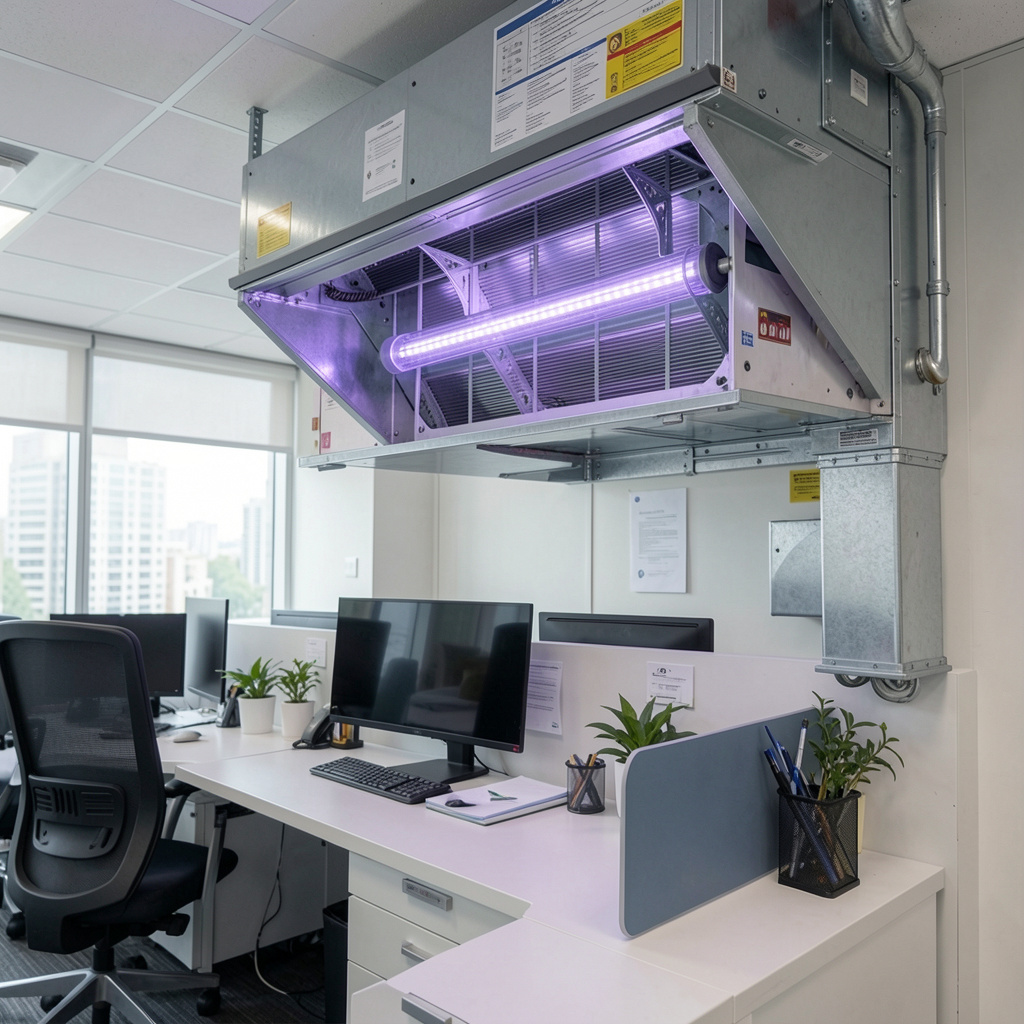
An HVAC UV Light Houston system uses ultraviolet (UV-C) light technology installed inside your HVAC equipment to help reduce the growth of microorganisms.
These systems are typically installed in one of two locations:
Coil Sterilization Systems
UV lights are positioned near the evaporator coil, where moisture tends to accumulate.
Their purpose is to:
- Help reduce mold growth
- Limit bacterial buildup
- Keep coils cleaner
- Improve system efficiency
Air Sterilization Systems
These UV lights are installed within the ductwork or air handler and are designed to expose moving air to UV-C light as it passes through the system.
Their goal is to help reduce:
- Airborne bacteria
- Viruses
- Mold spores
- Other biological contaminants
Why Indoor Air Quality Matters in Houston
Indoor air quality is often overlooked because many contaminants are invisible.
However, poor air quality may contribute to:
- Allergy symptoms
- Respiratory irritation
- Increased dust accumulation
- Unpleasant odors
- Reduced indoor comfort
In Houston, high humidity can make these issues even more challenging by creating favorable conditions for microbial growth.
Because most people spend a significant amount of time indoors, maintaining healthy indoor air is becoming an important part of overall home comfort.
Can HVAC UV Lights Really Improve Indoor Air Quality?
The short answer is yes—but with some important limitations.
UV lights can help improve indoor air quality by targeting microorganisms that may grow inside HVAC systems.
Benefits may include:
Reduced Mold Growth
One of the most recognized benefits of UV technology is its ability to help control mold growth on HVAC coils and surrounding components.
When mold accumulates, it can impact both air quality and system performance.
Lower Microbial Contamination
UV-C light can damage the DNA of certain microorganisms, making it more difficult for them to reproduce.
This may help reduce:
- Bacteria
- Mold spores
- Certain airborne pathogens
Cleaner HVAC Components
Cleaner coils can improve airflow and system efficiency while reducing maintenance needs.
Odor Reduction
Some homeowners report a reduction in musty odors associated with mold and microbial growth within HVAC equipment.
What HVAC UV Lights Do NOT Do
One common misconception is that UV lights solve every indoor air quality problem.
They do not eliminate:
- Dust
- Pet dander
- Pollen
- Dirt particles
- Volatile Organic Compounds (VOCs)
For comprehensive indoor air quality improvement, UV lights should be viewed as one component of a larger strategy.
The Best Indoor Air Quality Strategy
The most effective IAQ approach typically combines multiple solutions.
High-Quality Air Filtration
Filters help capture:
- Dust
- Allergens
- Pollen
- Pet dander
MERV-rated filters can significantly improve air cleanliness.
Proper Airflow
Poor airflow can contribute to humidity issues and uneven air distribution.
Airflow testing can help identify hidden performance problems that affect both comfort and air quality.
Humidity Control
Managing indoor humidity is particularly important in Houston’s climate.
Balanced humidity levels help reduce the conditions that support mold growth.
Regular HVAC Maintenance
Routine maintenance helps ensure all system components remain clean and operate efficiently.
Are HVAC UV Lights Worth the Investment?
The answer depends on your home’s specific needs.
Homeowners may benefit most from UV technology if they:
- Live in high-humidity environments
- Have concerns about mold growth
- Want to improve HVAC cleanliness
- Are looking for additional IAQ solutions
- Have family members sensitive to indoor air contaminants
While UV lights are not a complete indoor air quality solution, they can be a valuable addition to a well-maintained HVAC system.
New HVAC Technologies Supporting Indoor Air Quality
As HVAC technology continues to evolve, many modern systems now incorporate advanced air quality features.
These include:
- Smart air quality monitoring
- Advanced filtration systems
- Whole-home air purification
- Humidity management systems
- UV-C sanitation technology
Homeowners are increasingly viewing HVAC systems not only as comfort equipment but also as part of their overall health and wellness strategy.
HVAC UV Light Houston systems can play an important role in improving indoor air quality, especially in homes affected by high humidity and potential microbial growth. While they are not a cure-all solution, they can help reduce mold, bacteria, and contaminants inside HVAC equipment while supporting cleaner system operation.
The best results typically come from combining UV technology with proper filtration, airflow optimization, humidity control, and regular HVAC maintenance.
If you’re concerned about indoor air quality, a professional evaluation can help determine whether UV technology is a worthwhile addition to your home’s comfort system.
FAQs
Do HVAC UV lights really work?
Yes. HVAC UV lights can help reduce mold, bacteria, and microbial growth within HVAC systems, contributing to improved indoor air quality.
Are UV lights safe to use in HVAC systems?
When professionally installed and maintained, HVAC UV lights are designed to operate safely inside the system and are not directly exposed to occupants.
Do HVAC UV lights remove dust and allergens?
No. UV lights target microorganisms but do not remove dust, pollen, pet dander, or other particles. Proper filtration is still necessary.
Marielys Ceballos