Ductwork Houston issues are one of the most common—and expensive—problems homeowners face, yet they often go unnoticed for years. Many people assume that rising energy bills are caused by an aging air conditioner or higher utility rates, when the real culprit may be hidden behind walls, ceilings, and attics.
Your ductwork is responsible for distributing conditioned air throughout your home. When it develops leaks, restrictions, or design flaws, your HVAC system must work significantly harder to maintain comfortable temperatures. The result is higher energy consumption, uneven cooling, poor indoor comfort, and increased wear and tear on your equipment.
In a climate like Houston, where air conditioning systems operate for much of the year, ductwork problems can have a major impact on both comfort and monthly utility costs. Understanding the warning signs and solutions can help homeowners improve efficiency and avoid unnecessary expenses.
Ductwork Houston: Why Your Duct System Matters More Than You Think
Your HVAC system is only as effective as the ductwork that delivers conditioned air throughout your home.
Even the most energy-efficient air conditioner can struggle if the duct system is leaking, poorly designed, or improperly balanced.
A properly functioning ductwork Houston system should:
- Deliver consistent airflow to every room
- Maintain stable indoor temperatures
- Minimize energy loss
- Support overall HVAC efficiency
- Improve indoor comfort
When ductwork issues develop, your HVAC system must compensate by running longer and working harder.
Common Ductwork Problems That Increase Energy Costs
1. Air Leaks in Ductwork
One of the most common problems is air leakage.
Small gaps, disconnected sections, or damaged seals can allow conditioned air to escape before it reaches the living areas of your home.
According to industry estimates, some homes lose a significant percentage of conditioned air through duct leakage.
Common signs include:
- High energy bills
- Rooms that never feel comfortable
- HVAC systems running continuously
- Excessive humidity indoors
2. Poor Airflow Distribution
Many homes experience uneven airflow due to poorly designed or unbalanced duct systems.
You may notice:
- One room feels cold while another remains warm
- Weak airflow from certain vents
- Hot spots throughout the house
These issues force the HVAC system to work longer to satisfy the thermostat setting.
3. Dirty or Obstructed Ducts
Over time, dust, debris, insulation particles, and other contaminants can accumulate within ductwork.
Restricted airflow can:
- Reduce HVAC efficiency
- Increase system strain
- Affect indoor air quality
- Raise energy consumption
While not every home requires duct cleaning, severe buildup can impact performance.
4. Damaged or Aging Ductwork
Older duct systems can deteriorate over time.
Common issues include:
- Crushed duct sections
- Torn flexible ducts
- Corrosion
- Loose connections
These problems reduce airflow and compromise overall HVAC performance.
How Ductwork Problems Affect Your HVAC System
Many homeowners focus solely on the HVAC equipment when performance declines.
However, duct issues often create a chain reaction:
Increased Energy Consumption
When conditioned air fails to reach the intended spaces, the system must run longer to achieve the desired temperature.
More Frequent Repairs
Extra strain on components can increase the likelihood of:
- Blower motor issues
- Compressor wear
- Fan problems
- Premature component failure
Reduced System Lifespan
An HVAC system that constantly compensates for airflow problems may wear out years earlier than expected.
Signs You May Have Ductwork Problems
Watch for these common warning signs:
- Rising utility bills without increased usage
- Uneven temperatures between rooms
- Excessive dust throughout the home
- Weak airflow from vents
- HVAC system running longer than normal
- Hot and cold spots throughout the house
- Increased indoor humidity
If multiple symptoms are present, a professional ductwork evaluation may be necessary.
The Importance of Airflow Testing
One of the best ways to identify hidden duct problems is through airflow testing.
Professional airflow testing can:
- Measure airflow throughout the home
- Identify restrictions and leaks
- Evaluate system balance
- Reveal efficiency losses
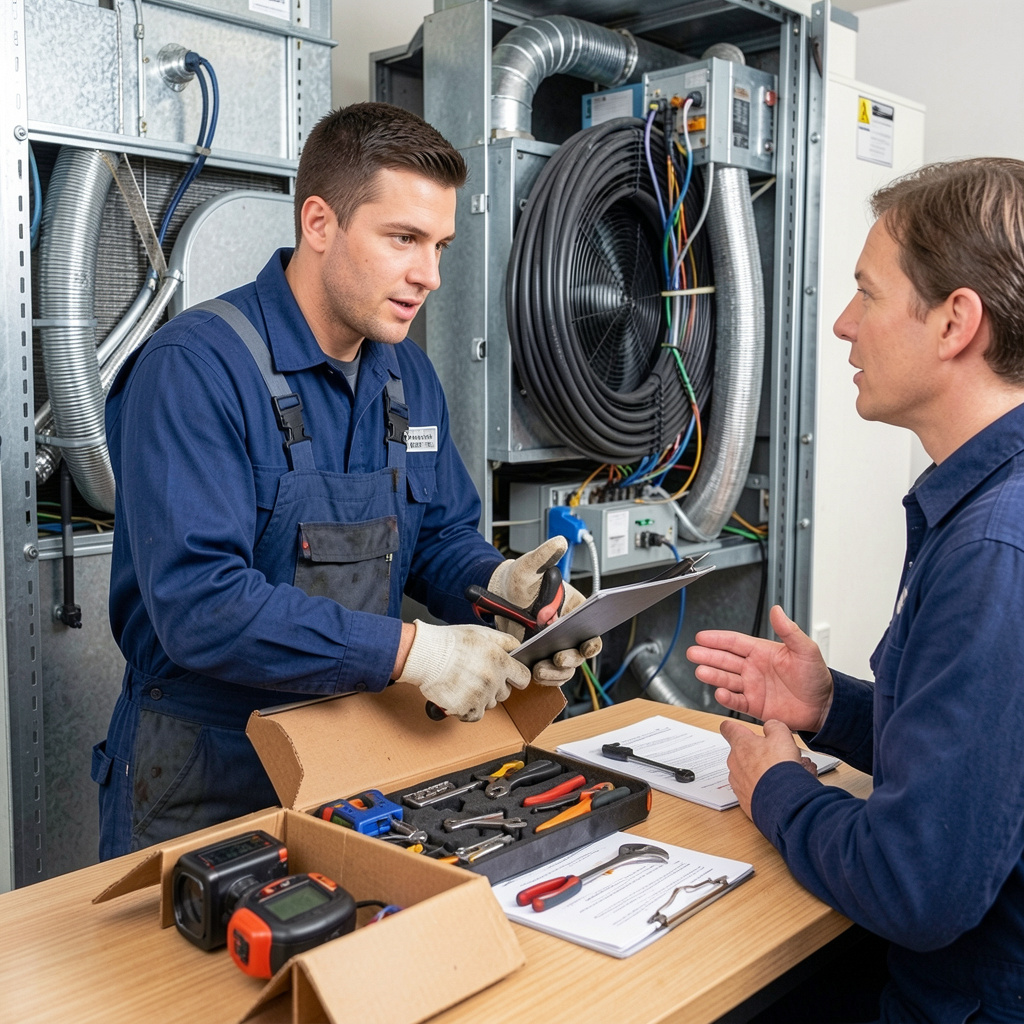
At Cool Techies, airflow analysis is a critical part of understanding overall HVAC performance. Rather than guessing, technicians can use actual measurements to determine where improvements are needed.
Repair or Replace Your Ductwork?
The answer depends on the condition of the system.
Duct Repair May Be Appropriate When:
- Leaks are localized
- Connections need resealing
- Minor airflow adjustments are required
- Most of the duct system remains in good condition
Duct Replacement May Be Necessary When:
- The system is severely damaged
- Duct design is fundamentally flawed
- Multiple sections are deteriorated
- Major airflow inefficiencies exist throughout the home
A professional evaluation can help determine the most cost-effective solution.
Ductwork Houston problems can quietly increase energy costs, reduce comfort, and place unnecessary strain on your HVAC system. Because ductwork is hidden from view, many homeowners overlook it until energy bills rise or comfort issues become impossible to ignore.
By addressing leaks, improving airflow, and ensuring your duct system is functioning properly, you can significantly improve HVAC efficiency, lower utility costs, and create a more comfortable indoor environment.
Before investing in expensive equipment upgrades, it may be worth taking a closer look at the system that delivers the air in the first place.
FAQs
How do I know if my ductwork is costing me money?
Signs include rising energy bills, uneven temperatures, weak airflow, and an HVAC system that runs longer than usual.
Can ductwork problems affect air conditioning performance?
Yes. Leaks, restrictions, and poor airflow can significantly reduce cooling efficiency and overall system performance.
Is ductwork repair worth it?
In many cases, yes. Repairing leaks and correcting airflow issues can improve comfort and reduce energy costs without replacing the entire HVAC system.
By Marielys Ceballos