HVAC replacement vs upgrade is one of the most important financial decisions suburban homeowners face when trying to reduce energy costs and improve comfort.
Should you replace your entire HVAC system—or invest in efficiency upgrades like insulation, duct sealing, smart thermostats, and airflow improvements?
The answer depends on your home’s condition, system age, and long-term goals.
HVAC Replacement vs Upgrade: Understanding the Core Difference
When comparing HVAC replacement vs upgrade, you’re essentially deciding between:
Full Replacement
- New condenser
- New evaporator coil
- Updated air handler or furnace
- New warranty coverage
Efficiency Upgrades
- Attic insulation improvements
- Duct sealing
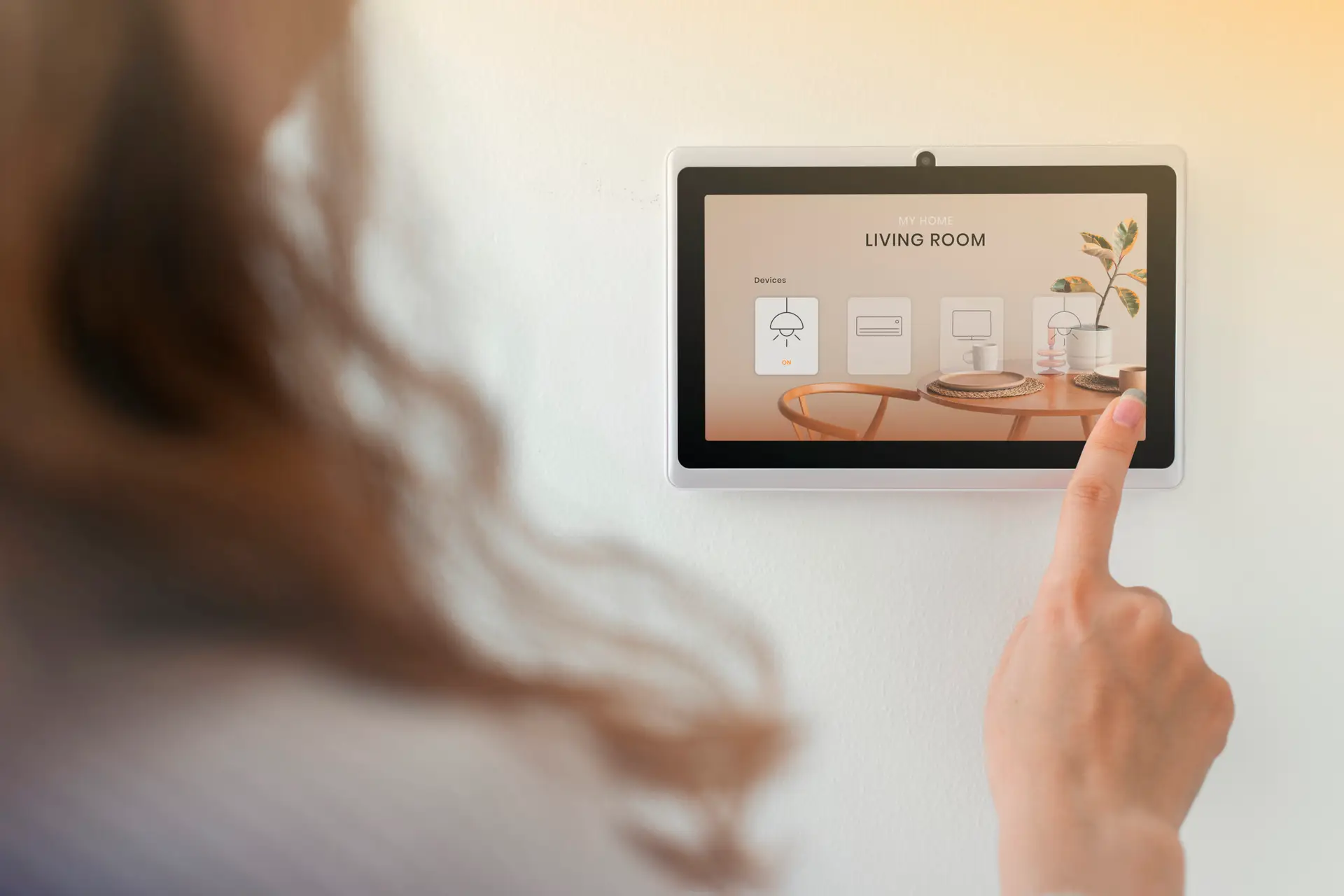
- Smart thermostat installation
- Airflow balancing
- UV light or air quality improvements
Both strategies can lower energy costs—but the financial impact differs.
When HVAC Replacement Makes More Sense
Replacement is usually the better choice if:
- System is 12–15+ years old
- Repairs are becoming frequent
- Uses outdated refrigerant
- SEER rating below 14
- Major component failure occurred
New high-efficiency systems can reduce cooling costs 15–35% compared to older equipment.
When Efficiency Upgrades Save More Money
If your HVAC system is under 10 years old and functioning properly, efficiency upgrades may provide stronger ROI.
Upgrades can:
- Reduce duct leakage
- Improve airflow
- Lower humidity levels
- Reduce runtime
- Enhance system lifespan
In some suburban homes, duct leakage alone can account for 20–30% of energy loss.
Long-Term Financial Impact
HVAC Replacement
- Higher upfront investment
- Immediate efficiency gains
- Lower repair costs
- Increased home value
Efficiency Upgrades
- Lower upfront cost
- Gradual energy savings
- Improved comfort consistency
- Supports existing equipment
The most cost-effective strategy often combines both approaches strategically.
Hybrid Strategy: The Smart Approach
Many suburban homeowners benefit from:
- Sealing ducts and improving insulation first
- Performing load calculation
- Installing properly sized high-efficiency HVAC system
This prevents overspending on oversized equipment and maximizes performance.
Many homeowners replace equipment assuming “bigger is better.” In reality, oversized systems short cycle, increase indoor humidity, and fail to reach their rated efficiency. True long-term savings come from performance optimization—not just new equipment.
That’s where measurable HVAC performance makes the difference.
At Cool Techies, we focus on complete home performance optimization and indoor air quality improvements in Houston and the Katy area. Before recommending replacement or upgrades, our team field-measures your current system’s real operating efficiency.
Because here’s the truth most homeowners don’t hear:
Newly installed HVAC equipment often operates at only 55% to 70% of its rated capacity due to airflow restrictions, duct leakage, improper sizing, or poor installation practices.
Efficiency on paper is not the same as efficiency in your home.
Why Airflow Determines HVAC Performance
The effectiveness of any heating and cooling equipment depends entirely on proper airflow.
When airflow is restricted:
- Cooling capacity drops
- Energy consumption increases
- Humidity removal decreases
- Compressor strain rises
- System lifespan shortens
Our professionals measure total system airflow to evaluate how your HVAC is truly performing. This allows us to:
- Diagnose duct inefficiencies
- Identify leakage or blockages
- Balance airflow room-by-room
- Improve indoor air quality
- Maximize equipment output
Rather than guessing, we verify.
After improvements or replacement, we measure the new system’s performance again to prove that it is functioning as designed. That means you don’t just take our word for it—you see the results.
Decision Checklist
Before choosing between HVAC replacement vs efficiency upgrades, ask yourself:
- How old is my system?
- Are repairs becoming more frequent or expensive?
- Is my attic under-insulated?
- Are some rooms consistently hotter or more humid?
- Do I experience uneven airflow?
- Has anyone ever measured my system’s airflow?
- What is my long-term ownership plan?
- Am I planning to stay in this home for 5+ years?
If your system is older but airflow issues are the main problem, duct optimization may provide significant savings without full replacement.
If your system is aging and airflow is poor, combining duct correction with a properly sized high-efficiency unit delivers the strongest long-term ROI.
A professional energy and performance assessment removes guesswork and replaces it with measurable data.
Maximize Performance Before You Replace
At Cool Techies, we make sure you have the best airflow and indoor air quality possible. We evaluate your entire comfort system—not just the equipment—to ensure it performs at peak capacity.
Instead of simply swapping out a unit, we:
- Measure system airflow
- Diagnose duct system performance
- Improve balance and efficiency
- Verify post-installation results
This approach protects your investment and ensures your HVAC system operates at its highest performance level.
Ready to Make a Data-Driven Decision?
If you’re debating HVAC replacement vs upgrades, schedule a professional HVAC performance evaluation in Houston or Katy today.
We’ll measure, diagnose, optimize—and prove the results.
FAQs
1. Is HVAC replacement always better than upgrades?
Not always. If your system is relatively new, efficiency upgrades may deliver better short-term ROI.
2. How long does a new HVAC system last?
Typically 12–15 years in Houston’s climate with proper maintenance.
3. Can I combine upgrades with replacement?
Yes. Combining insulation, duct sealing, and a high-efficiency system often delivers the strongest long-term savings.