If you’re wondering whether a new system can truly lower utility bills HVAC Houston homeowners pay every month, the short answer is: yes—but only if the upgrade is properly designed and installed.
In Houston’s long cooling season, air conditioners often run 8–10 months per year. That extended runtime magnifies inefficiencies. If your system is 12–15 years old, you could be paying significantly more than necessary in energy costs.
Let’s break down what actually impacts savings—and what doesn’t.
Lower Utility Bills HVAC Houston: What Actually Reduces Energy Costs?
Upgrading your system can help lower utility bills HVAC Houston residents struggle with, but savings depend on five critical factors:
- Efficiency rating (SEER2)
- System type (single-stage vs. variable-speed)
- Proper load calculation
- Ductwork condition
- Smart thermostat integration
Simply installing a new condenser without addressing airflow or insulation issues will not maximize savings.
How Much Can You Actually Save?
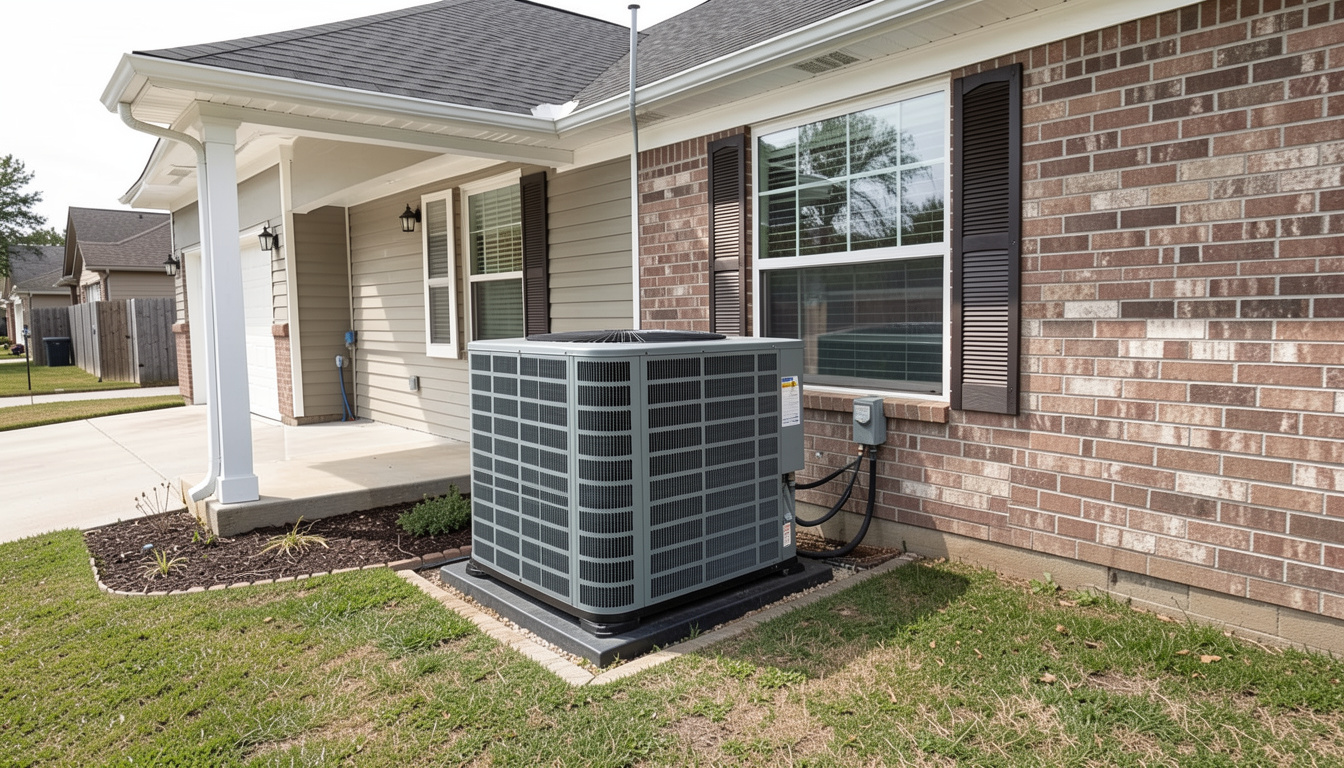
In Houston homes, replacing a 10–13 SEER unit with a 16–20 SEER2 system can reduce cooling energy consumption by 15–35%.
Estimated impact:
- Older inefficient system: Higher monthly summer bills
- Modern high-efficiency system: Lower runtime, optimized cycling
- Variable-speed system: Even greater humidity control and reduced energy spikes
Savings are typically most noticeable during peak summer months when AC usage is constant.
Why Older HVAC Systems Cost More to Run
After 10–15 years, systems lose efficiency due to:
- Worn compressors
- Reduced refrigerant performance
- Dirty or aging evaporator coils
- Duct leaks
- Outdated thermostats
Houston’s humidity forces systems to work harder, and short cycling becomes more common in aging units.
In many cases, homeowners think their system is “working fine,” but it’s operating inefficiently behind the scenes.
The ROI of an HVAC Upgrade in Houston
Beyond monthly bill reduction, an upgrade offers:
- Improved humidity control
- Better indoor air quality
- More consistent room temperatures
- Fewer emergency repairs
- Increased home resale value
Many homeowners see full return on investment within 5–8 years depending on usage and energy rates.
If your energy bills keep rising each summer, a system performance evaluation can identify hidden efficiency losses.
When an Upgrade Won’t Lower Bills
It’s important to be transparent: replacing your HVAC system alone will not drastically reduce bills if:
- Your attic insulation is insufficient
- Ductwork leaks exceed 20%
- Windows are poorly sealed
- The system is oversized or undersized
A professional evaluation should include airflow testing and load calculations—not just equipment replacement.
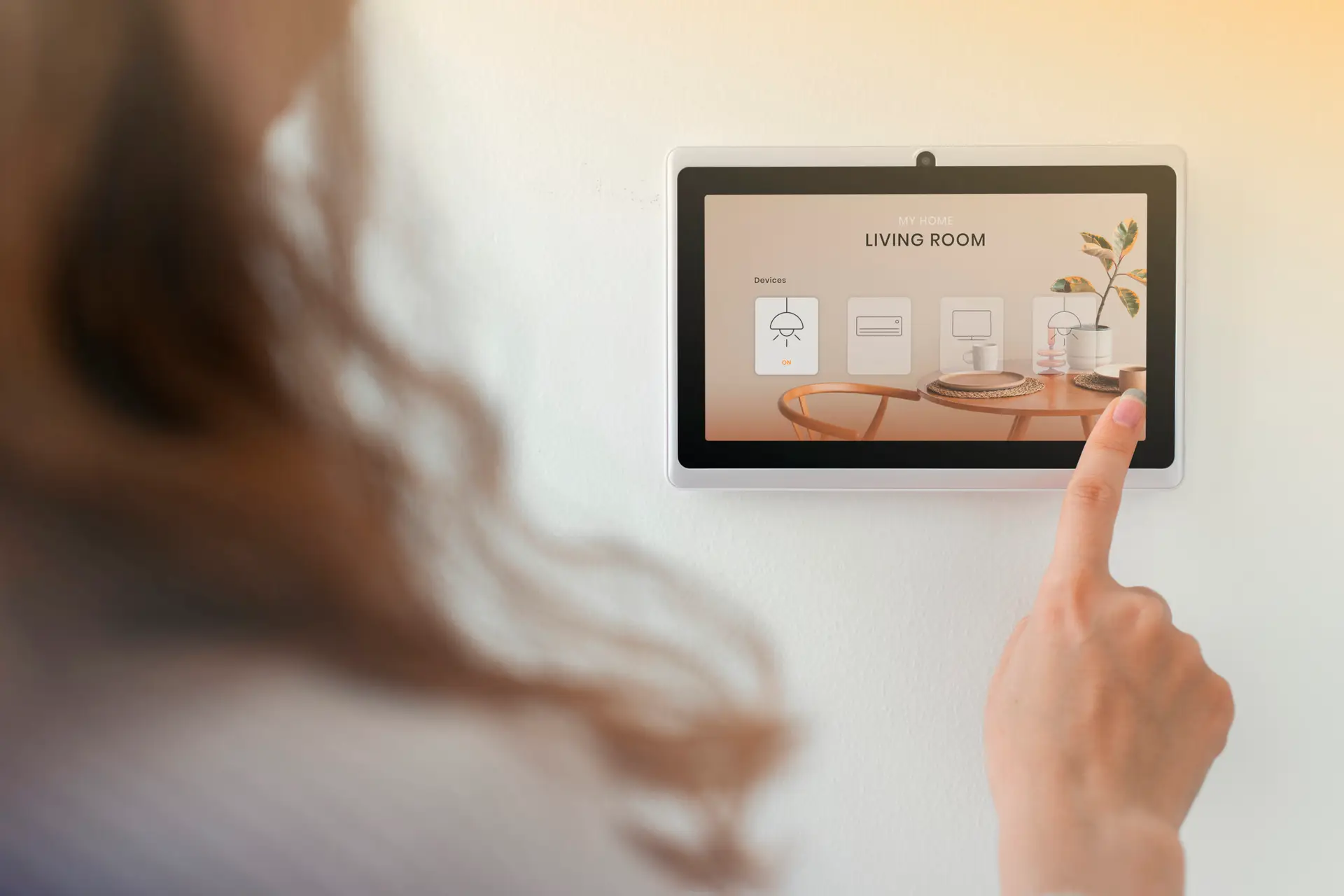
Smart Thermostats and Energy Savings
Smart thermostats enhance savings by:
- Adjusting temperature automatically
- Monitoring runtime patterns
- Reducing cooling when no one is home
- Providing energy usage reports
When paired with a high-efficiency system, automation can increase savings even further.
Repair vs. Replace: The Cost Rule
If a repair costs more than 30–40% of the price of a new system—and your unit is over 12 years old—replacement is often the smarter financial move.
Repeated repairs add up quickly, especially during Houston’s hottest months.
Want to lower utility bills in your Houston home? Book a professional HVAC assessment and get a clear upgrade plan.
FAQs
1. How much can I save by upgrading my HVAC in Houston?
Most homeowners save between 15–35% on cooling costs when upgrading from older systems to modern high-efficiency units.
2. How long does it take to see savings?
You’ll typically notice lower energy bills immediately during peak cooling season, especially in summer months.
3. Is a variable-speed HVAC worth the extra cost?
Yes, particularly in Houston’s humid climate. Variable-speed systems improve comfort, reduce energy spikes, and enhance long-term efficiency.
Calixto Armas