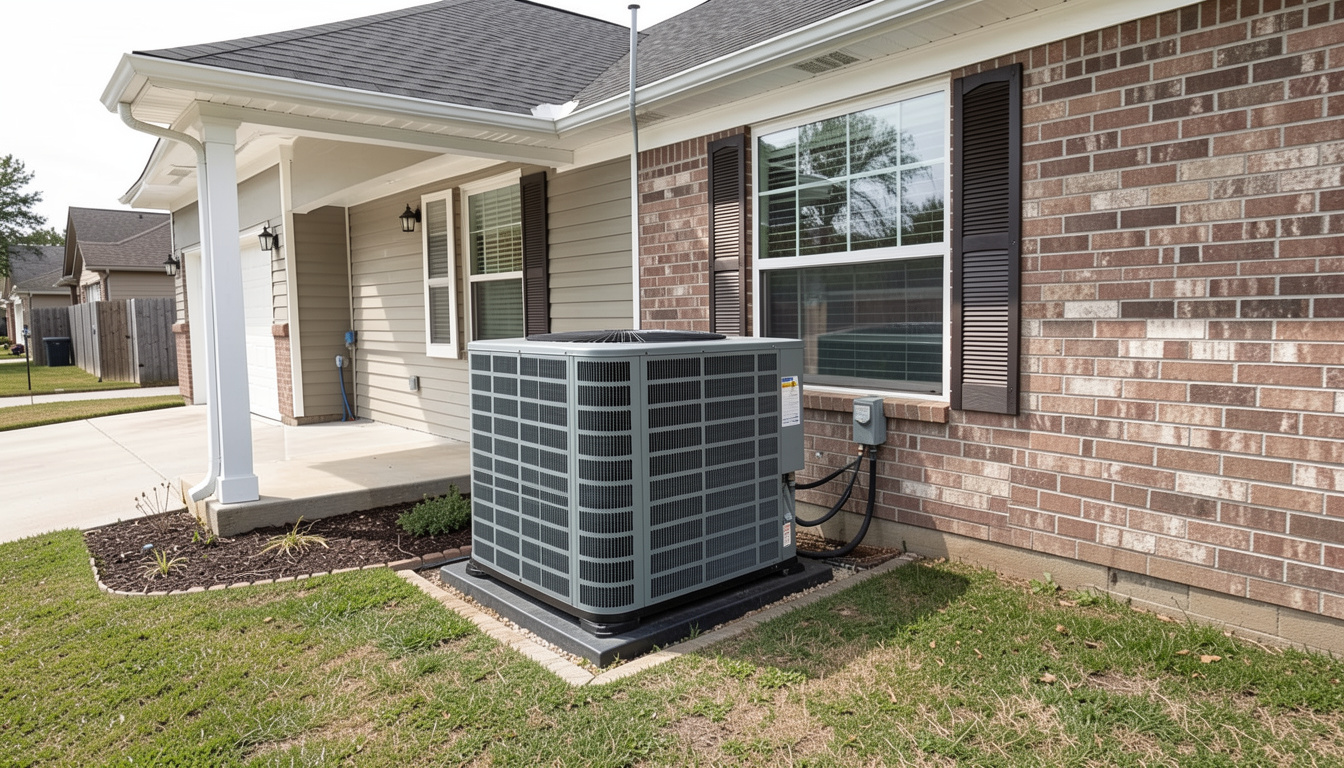
Extreme heat HVAC tips are essential for homeowners who want to stay comfortable, protect their system, and avoid skyrocketing energy bills during long, intense cooling seasons. When outdoor temperatures rise, your HVAC system works harder—and without proper insulation and air quality control, much of that effort is wasted.
At Cool Techies, we focus on a whole-home approach that combines insulation assessment, airflow optimization, and HVAC performance to help your system work smarter, not harder.
Why Extreme Heat Exposes HVAC Weaknesses
Extreme heat doesn’t create HVAC problems—it reveals them. Poor insulation, air leaks, and restricted airflow become far more noticeable when your system runs for longer cycles.
Common signs your home isn’t prepared for extreme heat include:
- Hot spots or uneven temperatures
- AC running constantly without reaching set temperature
- High energy bills
- Excessive indoor humidity
These issues often point to insulation gaps or airflow inefficiencies rather than equipment failure alone.
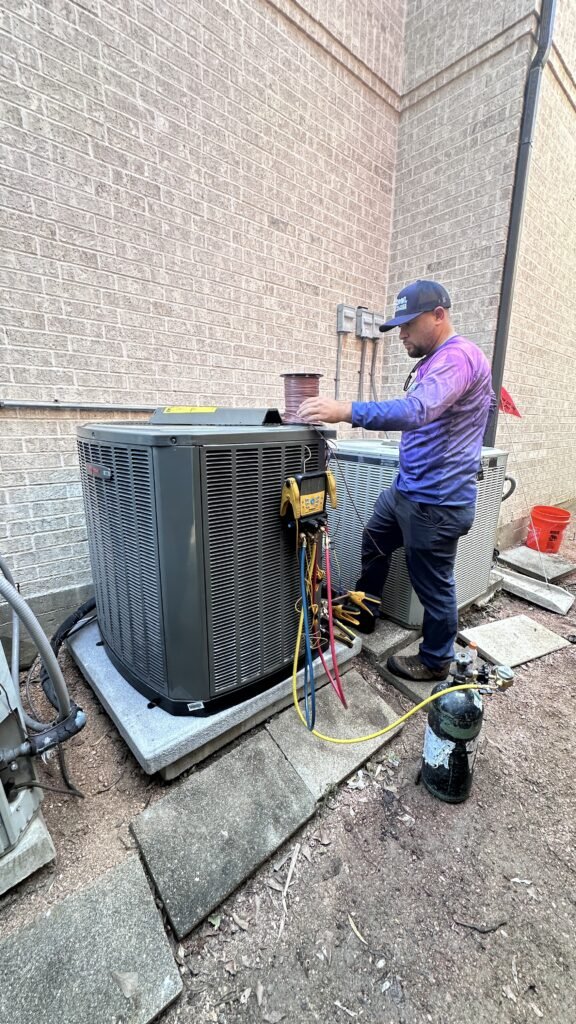
Extreme Heat HVAC Tips Start with Proper Insulation
Insulation acts as a protective barrier between your home and outdoor temperatures. Without adequate insulation, cooled air escapes quickly, forcing your HVAC system to compensate.
A professional insulation assessment helps identify:
- Attic insulation deficiencies
- Interior wall insulation gaps
- Areas of heat transfer and air leakage
Proper insulation reduces heat gain, stabilizes indoor temperatures, and lowers the workload on your HVAC system—especially during extreme heat.
How Insulation Improves HVAC Performance
When insulation works correctly, your HVAC system can operate at peak efficiency. Instead of constantly chasing temperature changes, the system maintains consistent comfort with shorter run times.
Benefits include:
- Lower energy consumption
- Reduced system wear
- Improved indoor comfort
- Longer equipment lifespan
Insulation and HVAC performance go hand in hand—one cannot be optimized without the other.
The Role of Indoor Air Quality in Extreme Heat
During extreme heat, homes stay closed for longer periods, which can trap pollutants inside. Poor air quality increases strain on your HVAC system and impacts comfort.
Cool Techies integrates advanced filtration and airflow solutions that:
- Reduce airborne particles
- Improve ventilation
- Maintain balanced airflow
- Support efficient cooling
Clean air allows your system to move air freely without excessive pressure or restriction.
Airflow: The Missing Piece in Extreme Heat Comfort
Even with good insulation, poor airflow can prevent your system from delivering comfort evenly. Airflow testing allows technicians to measure pressure and identify restrictions inside ductwork.
Balanced airflow ensures every room receives the cooling it needs—especially during peak heat conditions.
Extreme heat doesn’t have to mean extreme discomfort or high energy bills. With proper insulation, airflow optimization, and HVAC performance testing, your home can stay cool and efficient all season long.
📞 Call Cool Techies at 832-400-5730 today to schedule your insulation and HVAC performance evaluation.
❓ FAQs – Extreme Heat HVAC Tips
1. How do I know if my home needs more insulation?
If your AC runs constantly, rooms feel uneven, or energy bills rise during heat waves, an insulation assessment can identify problem areas.
2. Can insulation really lower cooling costs?
Yes. Proper insulation reduces heat gain and allows your HVAC system to cool your home more efficiently.
3. Does indoor air quality affect cooling performance?
Absolutely. Poor air quality and clogged filtration restrict airflow and force your system to work harder during extreme heat.